If there’s one thing I’ve learned, it’s that emergencies have a sneaky way of popping up when you least expect them. Having a solid list of emergency contacts isn’t just something you do for yourself—it’s a step that helps protect everyone in your household. Whether you’re dealing with a small mishap or a bigger crisis, knowing who to call and how to reach them can make a surprising difference. Here, I’m sharing my own approach to getting prepared, with practical tips that are pretty easy to put in place.
Why Emergency Contacts Matter
Keeping an updated emergency contacts list close by is really important for staying safe and calm when things go sideways. Emergencies can range from house fires and weather disasters to sudden illnesses or injuries. Trying to search for phone numbers or figure out who to call in a rush only adds to the stress of an already tricky moment.
For families, emergency contacts are more than just handy. They give kids and adults a go to plan. Schools, workplaces, and care facilities also ask for them because they help reach someone quickly when there’s no time to spare.
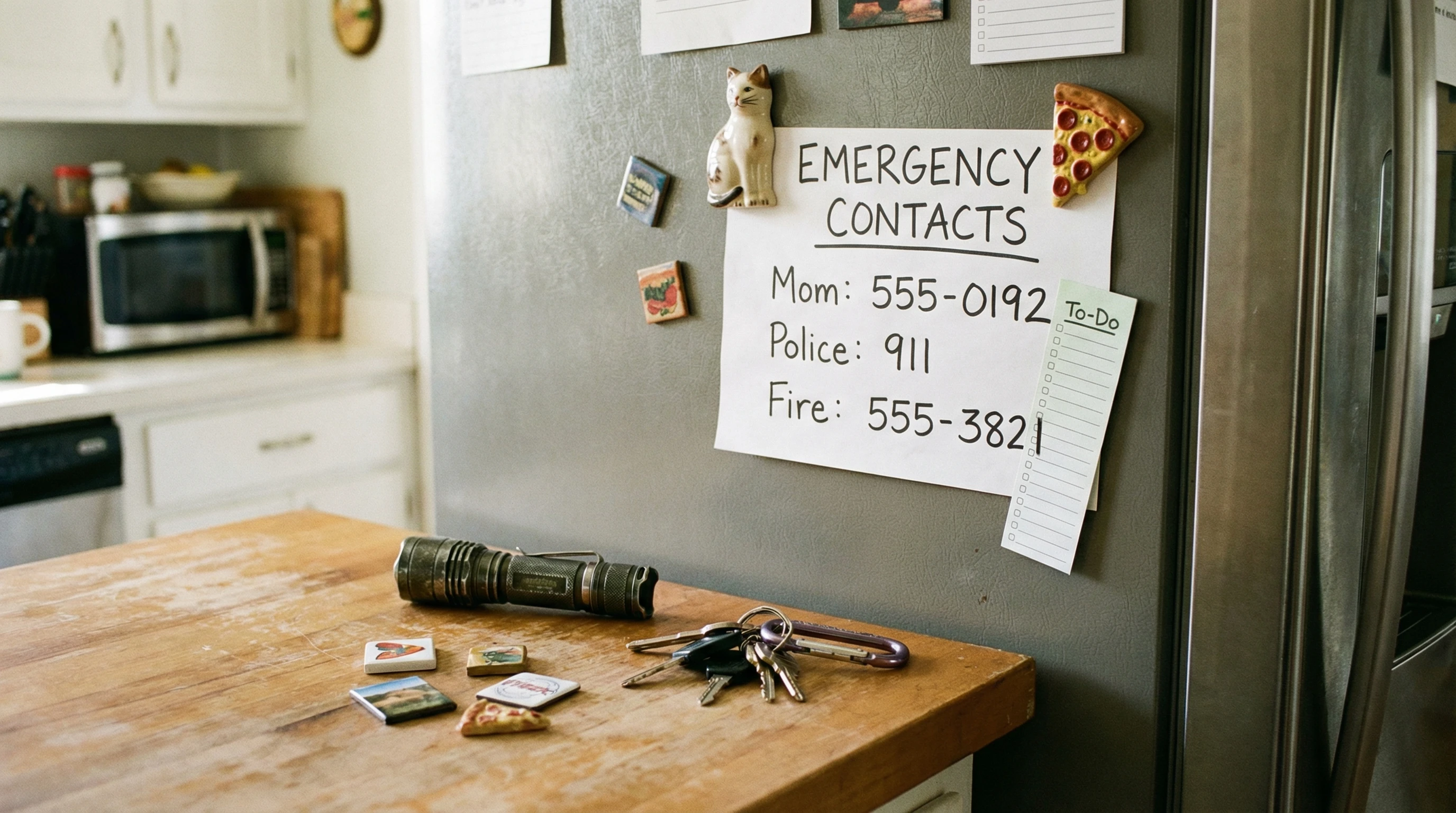
Even if you live alone or feel completely independent, having backup makes sense. I keep my list on the fridge, in my phone, and tucked in my wallet. That way, I’m covered no matter where I am when something happens.
It’s not just about having the numbers. Knowing how and when to use them matters. Practice helps. A quick review every now and then makes the process second nature for everyone in the house. When emergencies strike, a little preparation goes a long way in keeping panic at bay and getting the right support faster.
Setting Up Your Emergency Contact List
If you don’t have an emergency contacts list yet, getting started is pretty straightforward. Here’s how I put mine together:
- Personal Contacts: I start with immediate family and close friends—the folks I trust and who know my details.
- Medical Providers: My doctor’s office and pharmacy numbers are always on the list, along with health insurance info.
- Work Contacts: For me, that means my supervisor and a couple of team members. If something goes wrong during my travels, people know whom to call to let my work know I won’t be coming in that day and any additional details about my return.
- Utility and Service Providers: Power, water, gas, and internet companies all have emergency lines. Calling them fast can help get things back up and running or prevent more problems, like stopping a gas leak. This is important to have on hand if you are planning on having someone to come in and check on your house or house sit when you are away.
- Local Emergency Services: Besides 911, having local police, fire, hospital, and poison control numbers is smart. Sometimes calling direct lines is faster, especially during large scale emergencies or events where lines can be busy.
I group contacts based on who to reach first. To keep things clear, I note any special needs (like medical allergies or caregiver instructions), so if someone else is helping, they’re covered, too.
Keeping Your List Up to Date
Outdated information can leave you scrambling at the worst moment. I make it a habit to check my list twice a year—usually when the clocks change, which serves as a helpful reminder.
- Look for any numbers that have changed or people who have moved.
- Update your contacts’ addresses in case first responders ask.
- Add any new doctors, schools, or workplaces as life changes.
If you have kids, update their school and aftercare details whenever they switch grades or move. For elderly relatives or anyone with medical conditions, keeping provider information current is super important because healthcare needs can change fast.
I also add new service providers, like a different vet or mechanic, anytime I make changes. It can feel tedious, but these updates make everything easier later—in a crisis, you’ll be glad you double-checked.
Ways to Store and Share Your Emergency Contacts
Keeping your list visible and accessible is just as important as creating it. Here are a few options that work well for me:
- Printed Lists: I put a printed copy on the fridge and keep a smaller version in my wallet, so it’s always nearby.
- Smartphone Contacts: Adding “ICE” (In Case of Emergency) before a contact’s name in your phone helps first responders find it if you can’t answer questions. Some phones let you add medical details, too.
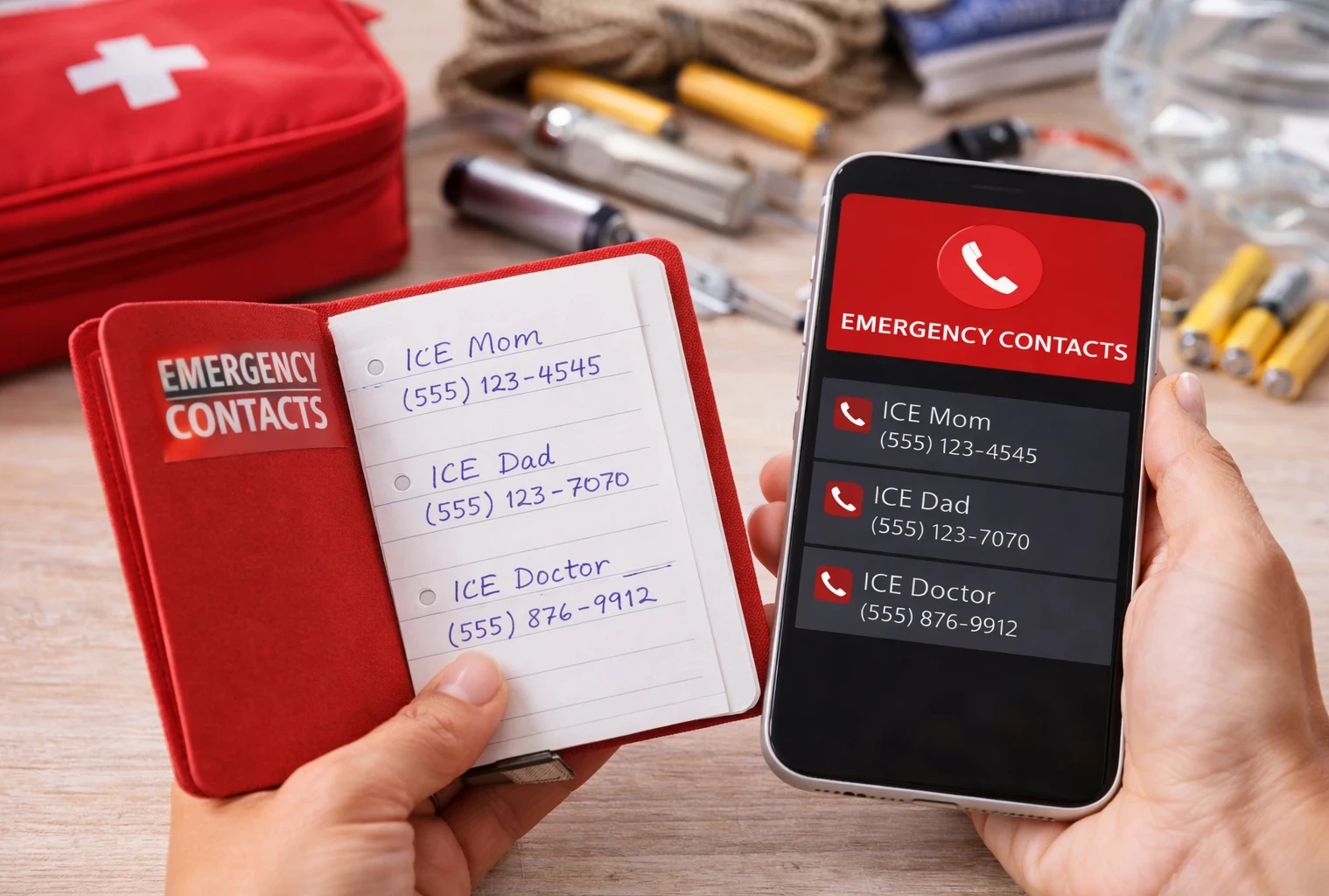
- Shared Documents: Google Docs or shared notes let family and friends access the list anywhere. For safety, I make sure it’s shared with trusted people only, which keeps your information safe while also useful.
- School or Workplace Forms: Don’t forget to update official forms so staff can reach your emergency contacts if needed. They often use these in real emergencies and need the most up to date information.
Some people even laminate their lists or keep a copy in the glove box of their car, which is smart if you commute a lot or travel with family. Redundancy helps, especially if you’re not home or your phone is unavailable.
Planning for Special Situations
Every household is unique, and personalizing your contact list to fit your specific situation can make a big difference.
Kids and Babysitters
When I leave my kids with a babysitter, attach emergency information to the refrigerator and leave a note about allergies or medications. Remind them of your family emergency meeting spot, which is useful during a fire or evacuation.
Elderly Family Members
For aging parents or grandparents, my list includes neighbors, transportation services, and their primary medical specialists. If they live in assisted care, making sure staff have up to date contact is key. It’s also smart to list pharmacy details and home care nurse numbers, if relevant.
Pets
If you have pets, add your vet, a local animal shelter, and someone who can look after your pets if you can’t. Animal emergencies can happen just as quickly as human ones and often need a fast response.
People with Medical or Mobility Needs
Include contact details for any medical device suppliers, in-home caregivers, and backup transportation options. Having these contacts can make all the difference in situations like power outages or when a special piece of equipment is needed urgently.
Quick Guide: Creating an Emergency Contact List Step by Step
Getting organized doesn’t have to be tough. Here’s a system I use to create and keep my list tidy:
- Gather Key Details: Name, relationship, phone number (work and cell), address, email, and any special notes.
- Decide on Format: Choose a printed list, digital file, or both. I like having both, since you never know when you’ll need it.
- Organize by Priority: Start with doctors, family, and close friends upfront, followed by others in your community or extended family.
- Review Regularly: Put a reminder on your calendar—every six months is a good checkpoint. It only takes a few minutes.
- Make Copies: Store in easy access spots, like your fridge, phone, car, and workplace backpack or locker.
Word of mouth goes a long way in helping everyone stay safe.
Things You Should Probably Consider About Emergency Contacts
Having a list is great, but there are some practical issues to keep in mind that can trip you up if you’re not ready:
- Changes to Contact Information: Phone numbers and addresses change more often than you’d think; stay on top of them to avoid dead ends when you’re in a pinch.
- Access to Phones or Lists: If your phone dies or you lose it, having a backup printed list is pretty handy. It’s also a good idea to store a copy in your car or work bag.
- Communicating Special Instructions: Maybe someone has an allergy or needs special care—clarify those details directly in your list so helpers and responders are in the loop immediately.
- Language Barriers: If you or your family members speak languages other than English, consider adding contacts who can help translate in a pinch. It really speeds things up in a crisis.
Safety and Privacy
I’m careful with how widely I share sensitive details. I only give the full list to people I trust, and I avoid posting it openly online or in places where strangers can see it. Your contact list is valuable for your safety, so balance accessibility with privacy as best you can.
Wrapping Up Prep for the Unexpected
Taking some time to put together your emergency contact list means fewer surprises if you ever face a tough situation. It’s a simple, practical form of preparedness that’s easy to update and personalize. The peace of mind is worth every bit of effort. When you know you and your loved ones won’t be scrambling for help, that little bit of extra planning makes all the difference in an emergency.
Do you have any tips for storing emergency contacts?
Great article! I’m still pretty young and honestly haven’t had to use emergency contacts much in my life, so it’s one of those things I know is important but haven’t really thought deeply about. But of course, it is something that’s super important. Do you keep your emergency contacts updated on your phone, or do you also have something written down just in case? And do you think it’s worth updating this every year even if nothing major changes?
Hi there! An emergency can happen at any age! I usually keep a written copy and in my phone. Sometimes a phone may need to be charged or there may be no Internet so it is good to keep this handy with any ID.
That’s certainly a thorough list. Holiday rentals should have these in the accommodation. When we were on holiday and the dog took ill, we needed to do the online thing. Vet near ___, check the reviews, find the out of hours phone number. It would’ve been so much easier to have a list on the fridge door or even in the welcome book, some ICE details of services in the area, if needed.
Thanks for your comments! The unexpected seems to happen when we least expect it. When I was offering accommodation through AirBnb, I always provided a list like this. It included places to eat, transportation, local medical facilities, etc.