Choosing the right travel destination isn’t as simple as spinning a globe. With so many different places to explore, picking where to go based on your interests saves both money and time, leading to much better trips. If you pick a place that really fits your hobbies or curiosities, you’ll find the trip more rewarding and possibly even pick up new passions along the way. I’m going to walk you through my process for deciding where to travel next, so you can match your trip with what you love most.
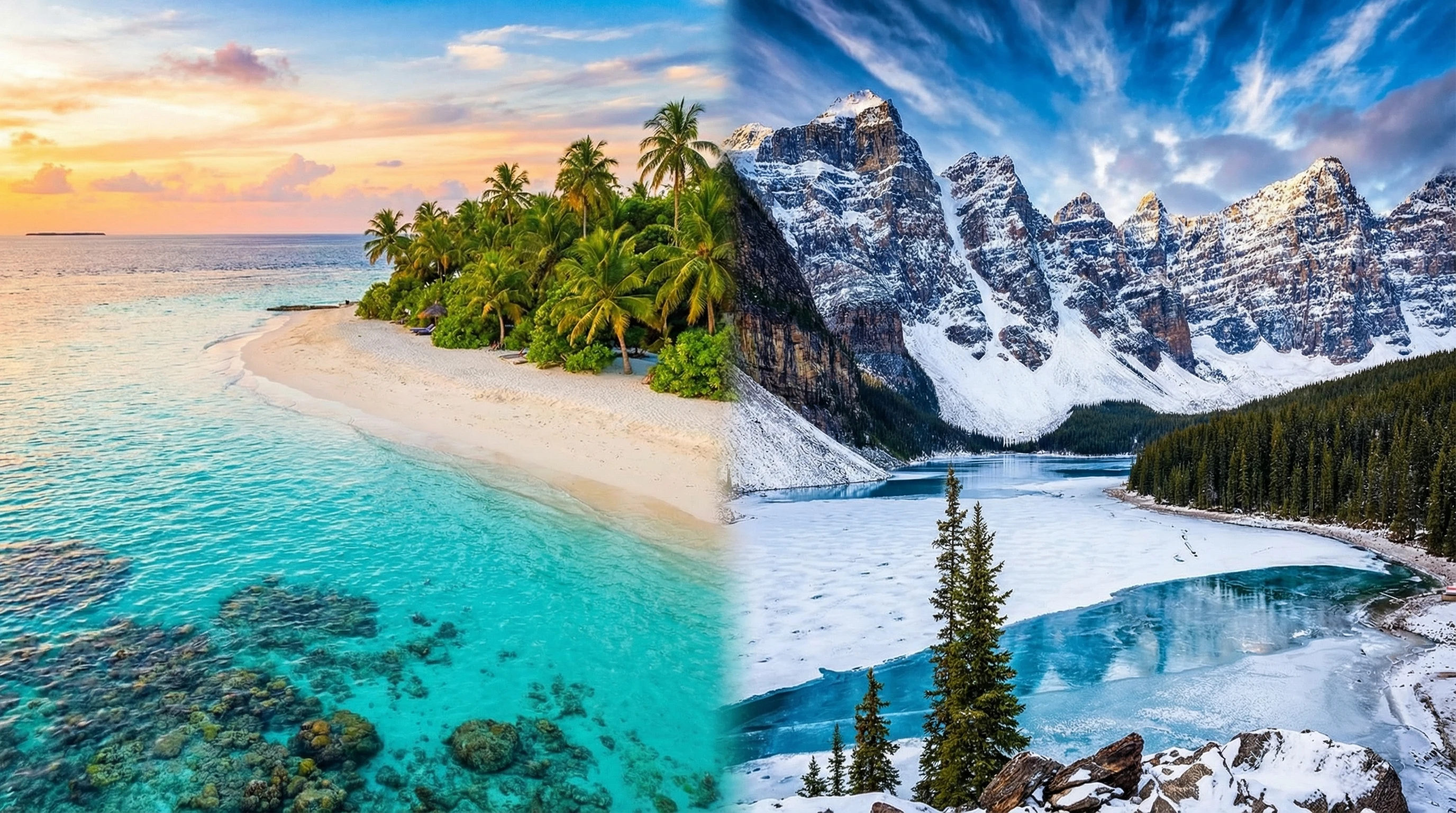
Why Interests Matter When Picking a Destination
Your personal interests shape how you experience a new place. Some people are all about history and ancient ruins, while others perk up at the thought of surfboards or ski lifts. Matching the trip with what you’re into leads to a much more memorable getaway. The tourism industry has definitely picked up on this, with tons of niche options for foodies, adventure seekers, art fans, culture seekers, and nature lovers.
For example, in the past decade, there’s been a jump in “special interest” travel. That covers everything from wildlife safaris and hiking trails to gourmet food tours and music festivals. By narrowing down what excites you, it’s a lot easier to find a spot that will actually leave you grinning when you get home. You can also stumble upon new trends, like volunteer travel or eco-tourism, that reshape what travel means beyond sightseeing.
Getting Clear About Your Interests

Before browsing flight deals or travel guides, getting real about what you love to do is a smart move. There’s no point in booking a city break if you can’t wait to hit the hiking trails, or heading for remote mountains if you crave museum time. I usually start with a list; something as simple as jotting down my top hobbies, favorite foods, or anything new I want to try.
- Outdoor Activities: Think hiking, surfing, skiing, cycling, or diving. Are you the type who wakes up early to watch the sun rise over mountain peaks or perhaps eager for a day spent paddling rivers?
- Culture Buff: If you get excited for art galleries, historic sites, festivals, and local performances, make sure to note which aspects of culture—like live music or artisan crafts—really matter to you.
- Food and Drink: For those who travel to taste: street food stalls, top restaurants, or vineyards. Some travelers even schedule trips around culinary festivals for that extra experience.
- Relaxation: Tropical beaches, cozy cabins, or spa resorts. For those craving downtime, taking stock of what soothes your mind will help guide your search.
- Wildlife and Nature: Safaris, bird watching, or exploring natural parks. Even if you’re not a hardcore animal lover, a walk through local gardens or reserves can change your trip’s mood.
- Seasonal: Christmas markets, ice festivals, Holi (the Festival of Colors), Midsummer’s Eve, all things that happen at different times of the year.
I’ll often check my social media or even look at which types of movies or documentaries I’m drawn to. Your current interests can surprise you! You might even find yourself interested in things you hadn’t thought of, like joining a hands-on workshop or connecting with locals who share your favorite hobby.
Destination Types Matched to Interests
Once you have your list of interests, it’s time to connect those to destination types that fit the vibe you’re after. Here’s how I break it down:
- Adventure Seekers: National parks, mountain towns, jungles, or destinations known for adventure sports such as Costa Rica, Queenstown in New Zealand, or Banff in Canada.
- Cultural Explorers: Cities steeped in history, regions with deep-rooted traditions, or places known for their art scenes like Rome, Kyoto, Istanbul, or Paris.
- Relaxation Lovers: Quiet islands, coastal towns, resorts with a slow pace; destinations like the Maldives, Bali, Greek Islands, or Tulum offer prime relaxation time.
- Foodies: Destinations with a diverse food scene or culinary tours like Bangkok, Barcelona, Oaxaca, or Marrakech. Plan a visit during a local food festival if your timing fits.
- Wildlife Fans: Areas known for animal encounters or pristine ecosystems such as the Galápagos Islands, Kenya, Borneo, or Yellowstone where you can truly unplug and get close to nature.
- City Enthusiasts: Barcelona (Spain), London (England), New York City (USA), Paris (France), Rome (Italy), Tokyo (Japan) and many others that allow you to wander through cities for shopping, cafes, restaurants and sightseeing.
Researching travel blogs and videos helps bring this step to life. I’ve found a lot of useful inspiration by looking up “best places for [your interest here]” on YouTube or Pinterest before narrowing it down further based on budget and travel time. Even browsing through recent Instagram tags from specific destinations reveals hidden gems you might miss in standard guides.
Steps To Narrow Down Your Choices

After lining up your interests and potential destinations, these steps help pick the right one for your travel window and budget:
- Set Time and Budget: Some destinations are better for quick getaways while others need a few weeks to fully enjoy. I always check not just flight prices but also in-destination costs for meals, tours, and accommodation.
- Research Weather and Season: It’s pretty important to look up the best time to visit your chosen places. Bad weather can really change your plans, and some activities like cherry blossom viewing or whale watching only happen at certain times. Remember, local holidays or festivals can boost prices or crowd levels.
- Visa Requirements and Safety: I use government travel sites to check visa needs and any current travel advisories. It’s worth spending a few minutes here so you avoid any last-minute scrambles or stress at the airport.
- Local Activities and Events: Dig into travel forums, city websites, or event calendars. Sometimes a special festival, natural event, or off-the-beaten-path attraction makes a place worth visiting just for that! You might even catch a local parade, sports match, or seasonal activity unique to the location.
- Reviews and First-Hand Experiences: I always check recent traveler reviews for tips you might not see in the main guides. Sites like TripAdvisor, Reddit, and personal blogs have saved me more than once when it comes to dealing with expectations and real-life conditions.
Following these steps stops you from making travel decisions based only on pretty photos or influencer hype. It also helps you spot possible hiccups, like transportation snags or tourist trap warnings, before you arrive. Trust, a little legwork goes a long way for smooth travels.
Common Challenges and How To Handle Them
Picking the right destination has its roadblocks. Here are a few snags I’ve run into and what I do about them:
- Too Many Choices: The “paralysis by analysis” part of travel planning is totally real; there are just so many cool places. When this happens, I cut my list to three options and dig deeper into those. Sometimes flipping a coin just helps you commit!
- Travel Buddies With Different Interests: Not everyone in a group might want the same trip. I’ve sorted this by planning some downtime for each person, or making sure there’s at least one main activity per traveler. Compromise keeps everyone happy, and you get to try something new together.
- Hidden Costs: Once I picked what I thought was a cheap place, but tours and entry fees added up fast. Now, I check for all-in travel packages, research potential deals, or look for free sights first. Watching out for transport costs between attractions is helpful, too.
- Crowds and Peak Season: Some dream spots get packed and lose their charm. I’ll aim for shoulder seasons or look for lesser known places nearby. Off-peak times save money and offer a more relaxed atmosphere. Local advice is gold if you want quiet corners even in popular areas.
Time of Year
Timing matters. Traveling outside of high season often brings better deals, fewer crowds, and a more relaxed experience. For instance, hiking in Patagonia is much more pleasant in the spring or fall. Shoulder seasons also mean you can see local life at a more natural pace instead of tourist season hustle. Big cities like Paris or Tokyo have plenty to offer all year, but checking local events means you won’t miss out on something special.
Budget Concerns
It’s easy to get caught by surprise on how much a trip will really cost. Other than transportation and hotels, prices for meals, local transport, and sightseeing can make a big difference. Sites like Numbeo or Expatistan help gauge daily expenses so you can budget better.
Also, traveling with flexible dates or signing up for fare alerts from airlines and booking sites can result in big savings. Don’t overlook options like vacation rentals, homestays, or even farm stays if you’re open to different experiences and want to meet locals while saving money.
Extra Tips For Choosing a Destination That Matches You
Some extra ideas have helped me pick better destinations over the years:
Mix Familiar With New Experiences: Including a little comfort (like a familiar city or cuisine) along with something totally new can balance your trip and keep things from getting overwhelming. For instance, combine a week in an urban center you know with a few days out in a rural or wild spot just outside the city.
Ask Around: I’ll put out a call on my social media for suggestions and usually get some real gems, especially from friends who know my style. That personal touch beats generic online lists most of the time, and you can get tailored advice about areas that fit your vibe.
Start Small: If you’re unsure about a far flung adventure or odd activity, try a weekend trip or a closer destination first. You get a taste before committing to a longer or pricier vacation. It also gives you the confidence to go bigger next time if you enjoy the “sample.”
Think About Logistics: Sometimes what looks amazing online isn’t so easy to reach. Double check whether you’re up for long bus rides or remote airports. Consider the travel time between activities and know your comfort level with moving around a lot. If in doubt, choose a destination where things are close together or where public transport is easy to use.
Following these has helped me avoid disappointment and up the “wow” factor for my own trips. Even just asking yourself, “if I had one free day there, what would I do?” helps clarify if it’s right. Keeping your trip a little flexible lets you embrace surprises—sometimes stumbling upon an unscheduled street festival or secret viewpoint is the trip highlight.
Frequently Asked Questions
Question: What can I do if I have a limited budget?
Answer: Focus on destinations closer to home, less visited spots, or look for off peak travel times. Public transportation, street food, or hostels can free up cash for special activities that fit your interests.
Question: How can I make sure I’m not missing something amazing?
Answer: Research with a mix of travel blogs, official tourism sites, and real traveler photos. Asking local hosts or friends who have been there is super helpful too. Keeping an open mind and some room in your schedule means you can say yes if you spot a hidden gem on arrival.
Why Careful Destination Choice Matters
Matching your travel plans to your interests takes the whole experience up a notch. Whether you love hiking, local food, urban art, or simply want a stress free beach, taking time to plan makes your trip feel tailor made. The adventure starts even before you book a ticket; dreaming, searching, asking questions, and finding new passions along the way. The result is more fun memories and stories to bring back home. So, plan ahead and let each trip truly reflect what you’re into. Safe and happy travels!
“This is such a helpful guide! I really appreciate how you break down choosing a destination based on personal interests rather than just picking a popular spot. The way you highlight matching travel with hobbies, food, culture, or adventure makes so much sense—it turns a trip into a truly memorable experience. I also love the tips about timing, budgeting, and mixing familiar with new experiences; those little details make a big difference. I’ll definitely be using your process for my next trip, especially the idea of narrowing down options and researching hidden gems. Thanks for sharing such practical, inspiring advice!”
Thank you so much for your thoughts! It’s definitely way more fun when you travel when you are matching what you do with your interests whether that is history, architecture, art, crafts, music, etc.
Thank you for the helpful guide! It really got me thinking about why we choose specific travel destinations rather than just picking a spot at random. My sister, my best friend, and I are already dreaming about our next spring getaway, and your tips on matching a destination to our shared interests, such as good food, local culture, and outdoor walks, are exactly what we needed.
I love the idea of creating a list of what excites us. We’ve already started jotting down things each of us wants to do, ranging from beach picnics to visiting local markets. Narrowing our options based on these ideas has made planning feel much more enjoyable rather than overwhelming.
Have you ever planned a group trip with friends or siblings based on shared interests? I’d love to hear how you balanced everyone’s priorities!
Thank you for your comments! The only time I ever planned any trips with anyone but me is my husband who also loves history and castles and old places. Since we agree on most, it was very easy to choose places. We just looked through guide books and told each other about the places we thought were worth seeing and then made an itinerary. Since he wanted to go to a World War II museum and I didn’t, I chose another museum at that time and we met up later.