Needing medical help while you’re in another country can feel pretty overwhelming, especially when you aren’t sure where to start looking. Getting sick or facing an injury abroad isn’t something most travelers plan for, but it’s important to be ready just in case. I put together this guide to make the process of finding medical care away from home simpler and less intimidating, even if you’ve never had to deal with a medical issue away from home before.
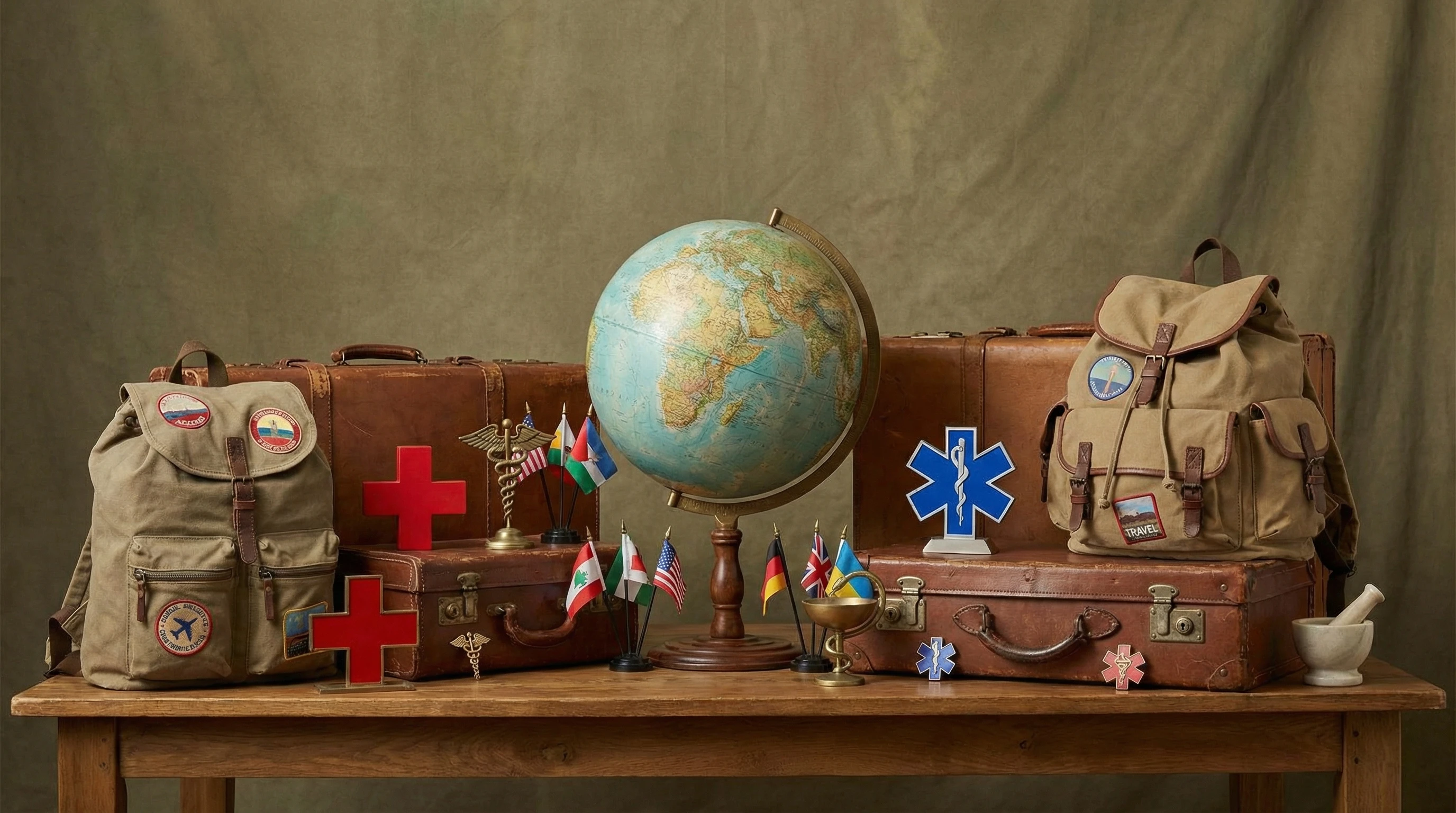
Why Medical Preparedness Abroad Matters
Whether you’re exploring big cities or traveling off the beaten path, having a plan for medical needs can really come in handy. Health standards, languages, and access can all be very different from what you’re used to back home. According to the CDC, thousands of travelers every year need emergency medical assistance or routine care abroad, with many facing hurdles like language barriers or unfamiliar healthcare systems.
Being proactive means you avoid scrambling in a panic when something happens. Knowing your options can help you feel more in control, even if a situation is stressful. In some places, medical care may be limited, while in others, it could be world-class but expensive. Understanding these differences and how to find support is super important for anyone traveling internationally.
Before heading off, most people are pretty focused on packing and sightseeing; medical prep deserves just as much attention. A little advance planning makes a big difference for peace of mind during your trip.
Steps To Take Before Leaving Home
Good preparation can make finding medical help abroad a whole lot easier. Here’s what I always recommend before taking off:
- Check Your Health Insurance: Make sure you know what your current policy covers outside your home country. Many plans don’t provide much (or any) coverage international, so consider short-term travel insurance for health and emergencies. Look carefully at what’s included; sometimes it’s just accidents, not illness.
- Find Emergency Contacts: Note down numbers for your country’s embassy or consulate, as well as any 24/7 assistance provided by your insurer. Having these available offline means you aren’t caught off guard if you suddenly need help.
- Bring Your Medical Information: Keep a list of your medications, allergies, health conditions, and emergency contacts. If you take prescription medication(s), bring enough for your trip (plus a copy of the prescription), along with the generic names since brand names may be unfamiliar abroad.
- Research Healthcare Quality: Look up the standard of care in your destination. Some countries have hospitals meeting international standards; others might have limited facilities, especially in rural areas. The U.S. Department of State or your own government’s travel site usually lists hospitals and clinics by country.
It’s also wise to make copies of your travel documents, including passports, visas, and insurance cards. Consider storing these in a secure digital folder so they’re always accessible if a physical copy is lost or stolen. You could also pack a basic first aid kit tailored to your needs, containing bandages, pain relievers, an antiseptic, and any medications specific to your health condition. This small step often helps with minor problems without the need to seek a clinic for every scrape.
How To Locate Medical Help On the Road
If you do need a doctor, dentist, or specialist abroad, figuring out where to go is your next challenge. Here’s what I’ve found works in most places:
Start With Local Recommendations
Ask your hotel, hostel, or local contacts for advice; they often know reputable clinics or English-speaking doctors. In major cities, staff at large hotels tend to have good lists ready for travelers. For remote areas, local tour operators, expat groups, or nearby embassies can suggest the safest options.
Online Directories and Apps
Several apps and websites are designed for travelers seeking care. IAMAT (International Association for Medical Assistance to Travelers) offers doctor and clinic directories worldwide. Some travel insurance providers include access to digital tools or nurse hotlines that help point you to local care. Even Google Maps can be handy; I always check reviews, language spoken, and service quality before heading over.
Hospitals vs. Clinics
In big cities, international hospitals are usually your best bet for emergencies or complex situations, as many have English-speaking staff and modern facilities. Smaller clinics are typically fine for minor issues or common illnesses, such as sore throats, infections, or minor injuries. Pharmacies often play a bigger role abroad than in North America, and pharmacists can give advice or even prescribe medicine in some countries.
Also, don’t overlook the power of local social media groups or online travel forums. Many expat communities on platforms like Facebook or Reddit maintain up-to-date lists of trustworthy doctors, dental services, and emergency rooms suitable for foreigners. Joining these groups ahead of time or bookmarking relevant posts can give you quick answers in a pinch.
Common Challenges and How To Tackle Them
Getting medical help abroad isn’t always as simple as showing up at the nearest hospital. Here are some issues travelers often face and how I work around them:
- Language Barriers: Communication can be tricky in an emergency. Translation apps like Google Translate make explaining symptoms easier, and some insurance policies offer phone translation for medical visits.
- Payment and Costs: Many hospitals and clinics expect upfront payment, especially if you don’t have local insurance. Keep a credit card or backup cash handy. Always ask for an itemized receipt; you’ll need it for any insurance claim later.
- Quality of Care Concerns: Not all healthcare is equal worldwide. Urban areas are generally better equipped, while rural areas might have fewer options. When in doubt, contact your embassy for help finding a trustworthy provider.
- Accessing Medications: Some countries have different names or formulas for common medicines. Bring your own supply, but if you need more, show a pharmacist the generic name. Avoid getting medicines from street vendors or unlicensed sources.
- Follow-Up and Records: If you get treatment, keep all records and prescriptions with you for the rest of your trip and when you return home. This makes follow-up care much easier to manage.
Language and Communication Tips
When you don’t speak the local language, a few tips come in handy:
- Write down a short health summary with key details (like allergies) in the local language in advance.
- Use translation apps or phrasebooks to communicate symptoms.
- If you’re in a tourist area, look for hospitals that advertise international or expat services.
If things get really confusing or urgent, your country’s embassy or consulate can help you find care and assist with translation or paperwork if needed.
What To Expect In an International Clinic or Hospital
Depending on where you are, a visit to a clinic or hospital overseas can look a bit different from what you’re used to. Here’s what’s you may typically find:
- Many clinics serve both walk-ins and appointments, but showing up early is usually your best bet.
- A receptionist or nurse checks you in and takes basic information. Insurance (if accepted) is processed at the start, and upfront payment is common.
- Doctors may or may not speak English; it’s fine to ask for one who does if you aren’t comfortable. In smaller towns, this option may be limited, so the translation tools and written phrases come in handy.
- Some clinics can draw blood or do X-rays onsite, while in other places, you may need to visit a separate lab or pharmacy to fill prescriptions.
Don’t be afraid to clarify procedures with staff if something seems unusual. Healthcare workflows can vary greatly, and asking questions always helps minimize confusion. If you’re concerned about local healthcare quality, you might want to request printed documentation of your diagnosis and laboratory results in English, so you can share them with your doctor back home if follow-up is required.
Extra Tips For Managing Health Abroad
A few practical habits can help you stay healthier while traveling and avoid the need to see a doctor altogether:
- Wash your hands or use sanitizer regularly, especially before eating.
- Drink safe, treated water and eat well-cooked food to dodge food borne illness. In some places, sticking to bottled water and peeled fruit is your best bet.
- Pace yourself and avoid overexertion, especially in hot climates or at higher altitudes.
- Invest in travel insurance that covers medical needs including evacuation, as it can really pay off in an emergency.
These small steps cut down on surprise illnesses, but if you ever feel something is wrong, it’s better to get checked sooner rather than wait it out. The earlier you get help, the smoother your trip will be.
Wearing weather-appropriate clothing, using insect repellent where necessary, and staying up-to-date on any recommended travel vaccines are also wise moves. Keeping a basic health diary can help you track any minor symptoms and remember details if you eventually need to talk to a doctor during your travels.
Real Life Scenarios and Useful Contacts
Having a couple of reliable contacts before you go can save you time and hassle if something pops up. Here are a few to keep handy:
- Insurance Hotline: Your provider can direct you to approved hospitals and guide you through the paperwork.
- Local Embassy or Consulate: Staff can help with medical referrals, emergencies, and sometimes even contact family back home if needed.
- Trusted Local Pharmacy: A good pharmacy helps with minor health issues, translations, and refill questions.
Every trip is different, but with some planning and these connections, handling a medical situation abroad becomes a lot less intimidating. Connecting with fellow travelers through travel groups or forums can provide first-hand accounts and recommendations about local healthcare providers and what to expect regarding cultural differences in medical care. Some destinations offer special traveler clinics tailored specifically to the needs of foreigners, so it’s wise to check for these options when mapping out your trip.
Frequently Asked Questions
Here are a few common questions people ask when they’re preparing for travel or facing a health worry overseas:
Q: Will my regular health insurance cover me abroad?
Most health insurance plans have little to no coverage outside your home country, but you might have international add-ons or travel insurance with emergency care included. Always double check before leaving.
Q: What do I do if I feel sick in a country where I don’t speak the language?
Ask your accommodation for help finding an English-speaking doctor or hospital. Use translation apps or carry cards with key health info in the local language for emergencies.
Q: How do I get prescription medication if I run out while abroad?
Some medicines may not be available or may require a local prescription. Bring enough with you and prescription copies, but if you do run out, a local doctor can usually issue a new prescription for a similar medicine.
There are medical concierge services that can usually get you medicine on an emergency basis but these services can be insanely pricey.
Q: Is there anything else I should do to prepare for a medical emergency?
Yes, you should always research the destination country’s health regulations and vaccination requirements ahead of time. Make sure family or friends back home know your itinerary in case of emergency. Also, double-check your mobile phone’s ability to make international calls and have backup options for charging devices, especially if you’ll be off the grid for a while.
Wrapping Up: Staying Safe and Confident
Staying healthy is a top priority no matter where your travels take you. By being prepared, understanding the local healthcare system a bit, and knowing where to turn for help, you make medical hiccups just a bump instead of a major detour. A little research, a solid set of contacts, and a sense of adventure can go a long way. Here’s to travels that are safe, easy, and full of good memories!

Have you had any medical emergencies while traveling, and if so, how did you handle them?
Reading your article touched a nerve. I relocated about eight months ago. I just got my ticket and moved to another country. To tell you the truth, as much as I know how important to get to know the healthcare system here, I just try to look the other way whenever my mind reminds me of this.
Your article is extremely important for many reasons, one of them is that many people, including myself, do not want to ruin the fun or excitement by getting involved in such mind troubling contengencies. On the other hand, panic and anxiety are reasons too. Worrying minds sometimes don’t want to feed their brains with panic food.
Again, your article is very important, and I think this is the first time that I have seen someone dedicating a whole article guide on the topic. Normally, it would be a healthcare or emergency section of an article.
I like to be prepared. Everyone thinks it won’t happen to them, until it happens to them.
I hope my article can provide some quick and easy steps for people to take before a problem arises.
Unfortunately we can all get sick while abroad and there is the possibility of needing medical help, so it is best to be prepared, and this guide helps immensely with that. Being proactive and knowing what to do before hand does save a lot of panic if the situation arises that you do need medical intervention.
I also love your tips for staying healthy abroad, like making sure not to drink contaminated water, as this is a very common one. Having a good travel insurance also puts your mind at ease in case something does happen.
Thank you for your comments! A little preparation can go a long way. No one expects to get sick and when it happens, it can be very scary especially in an unfamiliar place. Travel insurance is a great tool to have.