How To Choose The Right Destination Based On Your Interests

Choosing the right travel destination isn’t as simple as spinning a globe. With so many different places to explore, picking where to go based on your interests saves both money and time, leading to much better trips. If you pick a place that really fits your hobbies or curiosities, you’ll find the trip more rewarding and possibly even pick up new passions along the way. I’m going to walk you through my process for deciding where to travel next, so you can match your trip with what you love most.
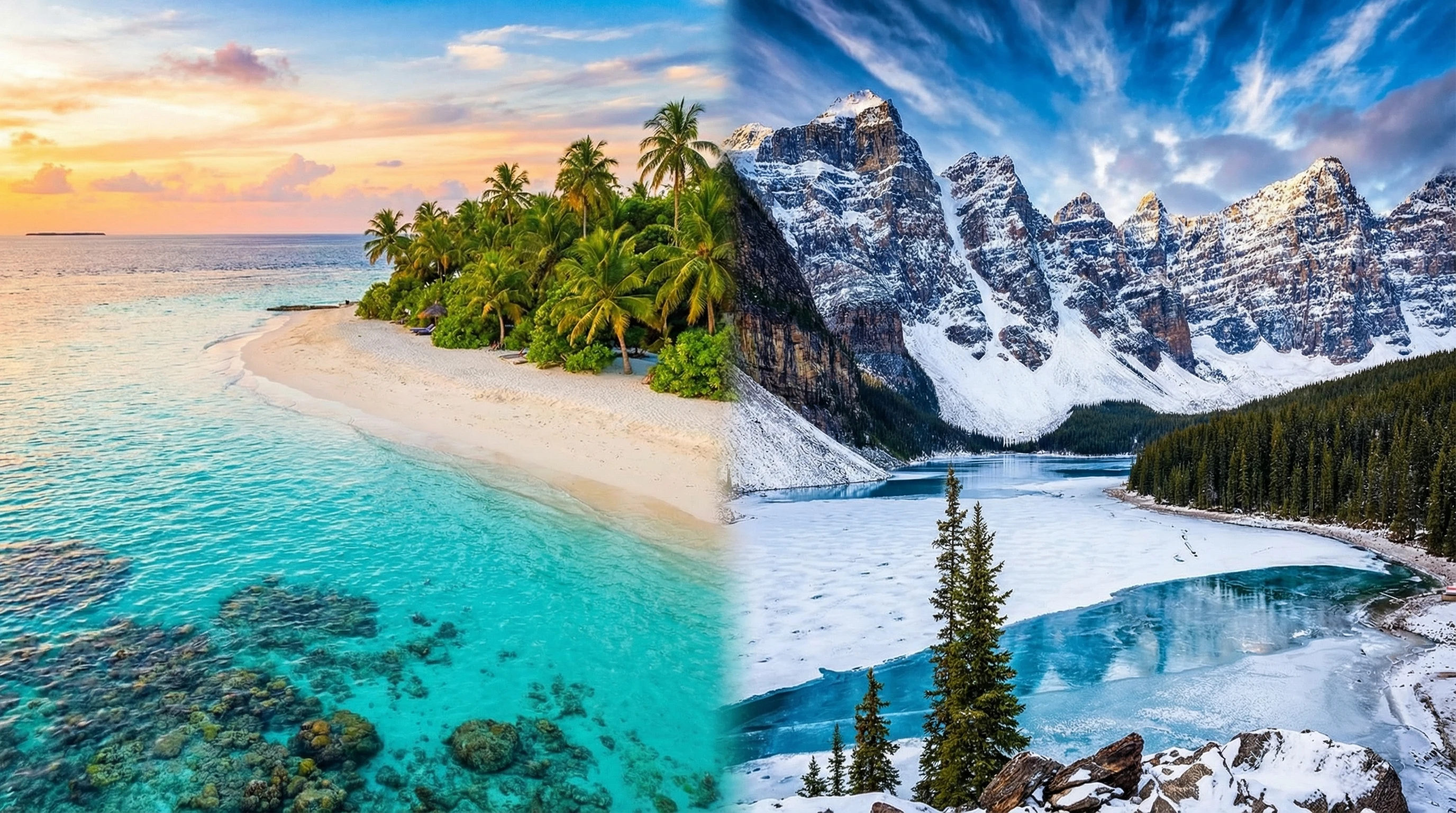
A colorful split-view landscape showcasing a tropical beach on one side and a snow-capped mountain on the other, representing diverse destinations.

Why Interests Matter When Picking a Destination

Your personal interests shape how you experience a new place. Some people are all about history and ancient ruins, while others perk up at the thought of surfboards or ski lifts. Matching the trip with what you’re into leads to a much more memorable getaway. The tourism industry has definitely picked up on this, with tons of niche options for foodies, adventure seekers, art fans, culture seekers, and nature lovers.

For example, in the past decade, there’s been a jump in “special interest” travel. That covers everything from wildlife safaris and hiking trails to gourmet food tours and music festivals. By narrowing down what excites you, it’s a lot easier to find a spot that will actually leave you grinning when you get home. You can also stumble upon new trends, like volunteer travel or eco-tourism, that reshape what travel means beyond sightseeing.

Getting Clear About Your Interests

clear travel idea

Before browsing flight deals or travel guides, getting real about what you love to do is a smart move. There’s no point in booking a city break if you can’t wait to hit the hiking trails, or heading for remote mountains if you crave museum time. I usually start with a list; something as simple as jotting down my top hobbies, favorite foods, or anything new I want to try.

  • Outdoor Activities: Think hiking, surfing, skiing, cycling, or diving. Are you the type who wakes up early to watch the sun rise over mountain peaks or perhaps eager for a day spent paddling rivers?
  • Culture Buff: If you get excited for art galleries, historic sites, festivals, and local performances, make sure to note which aspects of culture—like live music or artisan crafts—really matter to you.
  • Food and Drink: For those who travel to taste: street food stalls, top restaurants, or vineyards. Some travelers even schedule trips around culinary festivals for that extra experience.
  • Relaxation: Tropical beaches, cozy cabins, or spa resorts. For those craving downtime, taking stock of what soothes your mind will help guide your search.
  • Wildlife and Nature: Safaris, bird watching, or exploring natural parks. Even if you’re not a hardcore animal lover, a walk through local gardens or reserves can change your trip’s mood.
  • Seasonal: Christmas markets, ice festivals, Holi (the Festival of Colors), Midsummer’s Eve, all things that happen at different times of the year.

I’ll often check my social media or even look at which types of movies or documentaries I’m drawn to. Your current interests can surprise you! You might even find yourself interested in things you hadn’t thought of, like joining a hands-on workshop or connecting with locals who share your favorite hobby.

Destination Types Matched to Interests

Once you have your list of interests, it’s time to connect those to destination types that fit the vibe you’re after. Here’s how I break it down:

  • Adventure Seekers: National parks, mountain towns, jungles, or destinations known for adventure sports such as Costa Rica, Queenstown in New Zealand, or Banff in Canada.
  • Cultural Explorers: Cities steeped in history, regions with deep-rooted traditions, or places known for their art scenes like Rome, Kyoto, Istanbul, or Paris.
  • Relaxation Lovers: Quiet islands, coastal towns, resorts with a slow pace; destinations like the Maldives, Bali, Greek Islands, or Tulum offer prime relaxation time.
  • Foodies: Destinations with a diverse food scene or culinary tours like Bangkok, Barcelona, Oaxaca, or Marrakech. Plan a visit during a local food festival if your timing fits.
  • Wildlife Fans: Areas known for animal encounters or pristine ecosystems such as the Galápagos Islands, Kenya, Borneo, or Yellowstone where you can truly unplug and get close to nature.
  • City Enthusiasts: Barcelona (Spain), London (England), New York City (USA), Paris (France), Rome (Italy), Tokyo (Japan) and many others that allow you to wander through cities for shopping, cafes, restaurants and sightseeing.

Researching travel blogs and videos helps bring this step to life. I’ve found a lot of useful inspiration by looking up “best places for [your interest here]” on YouTube or Pinterest before narrowing it down further based on budget and travel time. Even browsing through recent Instagram tags from specific destinations reveals hidden gems you might miss in standard guides.

Steps To Narrow Down Your Choices
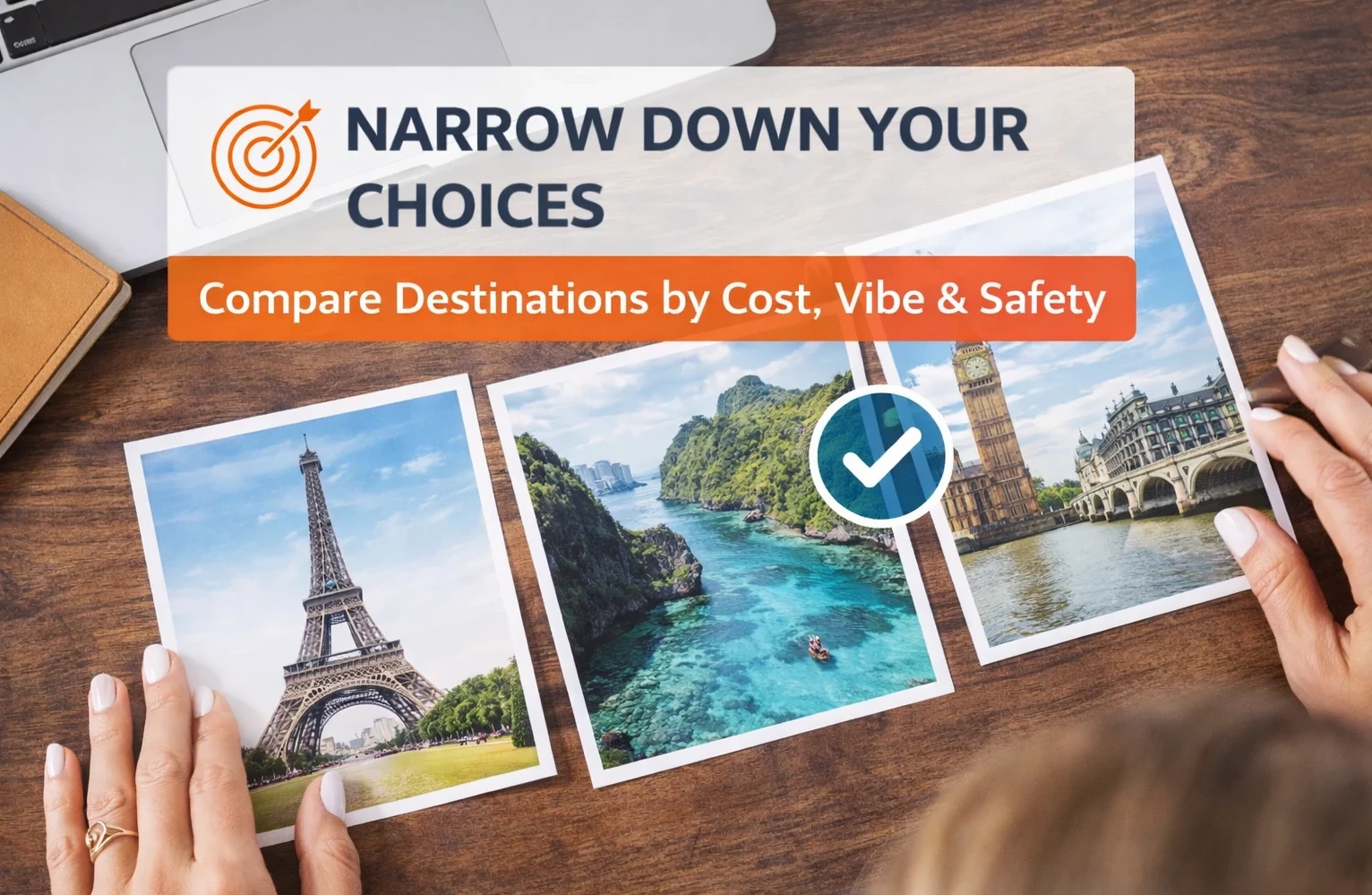
narrow down choices

After lining up your interests and potential destinations, these steps help pick the right one for your travel window and budget:

  1. Set Time and Budget: Some destinations are better for quick getaways while others need a few weeks to fully enjoy. I always check not just flight prices but also in-destination costs for meals, tours, and accommodation.
  2. Research Weather and Season: It’s pretty important to look up the best time to visit your chosen places. Bad weather can really change your plans, and some activities like cherry blossom viewing or whale watching only happen at certain times. Remember, local holidays or festivals can boost prices or crowd levels.
  3. Visa Requirements and Safety: I use government travel sites to check visa needs and any current travel advisories. It’s worth spending a few minutes here so you avoid any last-minute scrambles or stress at the airport.
  4. Local Activities and Events: Dig into travel forums, city websites, or event calendars. Sometimes a special festival, natural event, or off-the-beaten-path attraction makes a place worth visiting just for that! You might even catch a local parade, sports match, or seasonal activity unique to the location.
  5. Reviews and First-Hand Experiences: I always check recent traveler reviews for tips you might not see in the main guides. Sites like TripAdvisor, Reddit, and personal blogs have saved me more than once when it comes to dealing with expectations and real-life conditions.

Following these steps stops you from making travel decisions based only on pretty photos or influencer hype. It also helps you spot possible hiccups, like transportation snags or tourist trap warnings, before you arrive. Trust, a little legwork goes a long way for smooth travels.

Common Challenges and How To Handle Them

Picking the right destination has its roadblocks. Here are a few snags I’ve run into and what I do about them:

  • Too Many Choices: The “paralysis by analysis” part of travel planning is totally real; there are just so many cool places. When this happens, I cut my list to three options and dig deeper into those. Sometimes flipping a coin just helps you commit!
  • Travel Buddies With Different Interests: Not everyone in a group might want the same trip. I’ve sorted this by planning some downtime for each person, or making sure there’s at least one main activity per traveler. Compromise keeps everyone happy, and you get to try something new together.
  • Hidden Costs: Once I picked what I thought was a cheap place, but tours and entry fees added up fast. Now, I check for all-in travel packages, research potential deals, or look for free sights first. Watching out for transport costs between attractions is helpful, too.
  • Crowds and Peak Season: Some dream spots get packed and lose their charm. I’ll aim for shoulder seasons or look for lesser known places nearby. Off-peak times save money and offer a more relaxed atmosphere. Local advice is gold if you want quiet corners even in popular areas.

Time of Year

Timing matters. Traveling outside of high season often brings better deals, fewer crowds, and a more relaxed experience. For instance, hiking in Patagonia is much more pleasant in the spring or fall. Shoulder seasons also mean you can see local life at a more natural pace instead of tourist season hustle. Big cities like Paris or Tokyo have plenty to offer all year, but checking local events means you won’t miss out on something special.

Budget Concerns

It’s easy to get caught by surprise on how much a trip will really cost. Other than transportation and hotels, prices for meals, local transport, and sightseeing can make a big difference. Sites like Numbeo or Expatistan help gauge daily expenses so you can budget better.

Also, traveling with flexible dates or signing up for fare alerts from airlines and booking sites can result in big savings. Don’t overlook options like vacation rentals, homestays, or even farm stays if you’re open to different experiences and want to meet locals while saving money.

Extra Tips For Choosing a Destination That Matches You

Some extra ideas have helped me pick better destinations over the years:

Mix Familiar With New Experiences: Including a little comfort (like a familiar city or cuisine) along with something totally new can balance your trip and keep things from getting overwhelming. For instance, combine a week in an urban center you know with a few days out in a rural or wild spot just outside the city.

Ask Around: I’ll put out a call on my social media for suggestions and usually get some real gems, especially from friends who know my style. That personal touch beats generic online lists most of the time, and you can get tailored advice about areas that fit your vibe.

Start Small: If you’re unsure about a far flung adventure or odd activity, try a weekend trip or a closer destination first. You get a taste before committing to a longer or pricier vacation. It also gives you the confidence to go bigger next time if you enjoy the “sample.”

Think About Logistics: Sometimes what looks amazing online isn’t so easy to reach. Double check whether you’re up for long bus rides or remote airports. Consider the travel time between activities and know your comfort level with moving around a lot. If in doubt, choose a destination where things are close together or where public transport is easy to use.

Following these has helped me avoid disappointment and up the “wow” factor for my own trips. Even just asking yourself, “if I had one free day there, what would I do?” helps clarify if it’s right. Keeping your trip a little flexible lets you embrace surprises—sometimes stumbling upon an unscheduled street festival or secret viewpoint is the trip highlight.

Frequently Asked Questions

Question: What can I do if I have a limited budget?
Answer: Focus on destinations closer to home, less visited spots, or look for off peak travel times. Public transportation, street food, or hostels can free up cash for special activities that fit your interests.


Question: How can I make sure I’m not missing something amazing?
Answer: Research with a mix of travel blogs, official tourism sites, and real traveler photos. Asking local hosts or friends who have been there is super helpful too. Keeping an open mind and some room in your schedule means you can say yes if you spot a hidden gem on arrival.


Why Careful Destination Choice Matters

Matching your travel plans to your interests takes the whole experience up a notch. Whether you love hiking, local food, urban art, or simply want a stress free beach, taking time to plan makes your trip feel tailor made. The adventure starts even before you book a ticket; dreaming, searching, asking questions, and finding new passions along the way. The result is more fun memories and stories to bring back home. So, plan ahead and let each trip truly reflect what you’re into. Safe and happy travels!
Safety Checklists Before Leaving Home For Solo Travel

Heading out on a solo trip can be super rewarding and a little nerve-racking at the same time. Having a solid safety routine before locking up and heading out goes a long way in giving me that extra peace of mind. Over the years, ticking things off my pre-travel checklist has helped me avoid little surprises and focus on having fun.

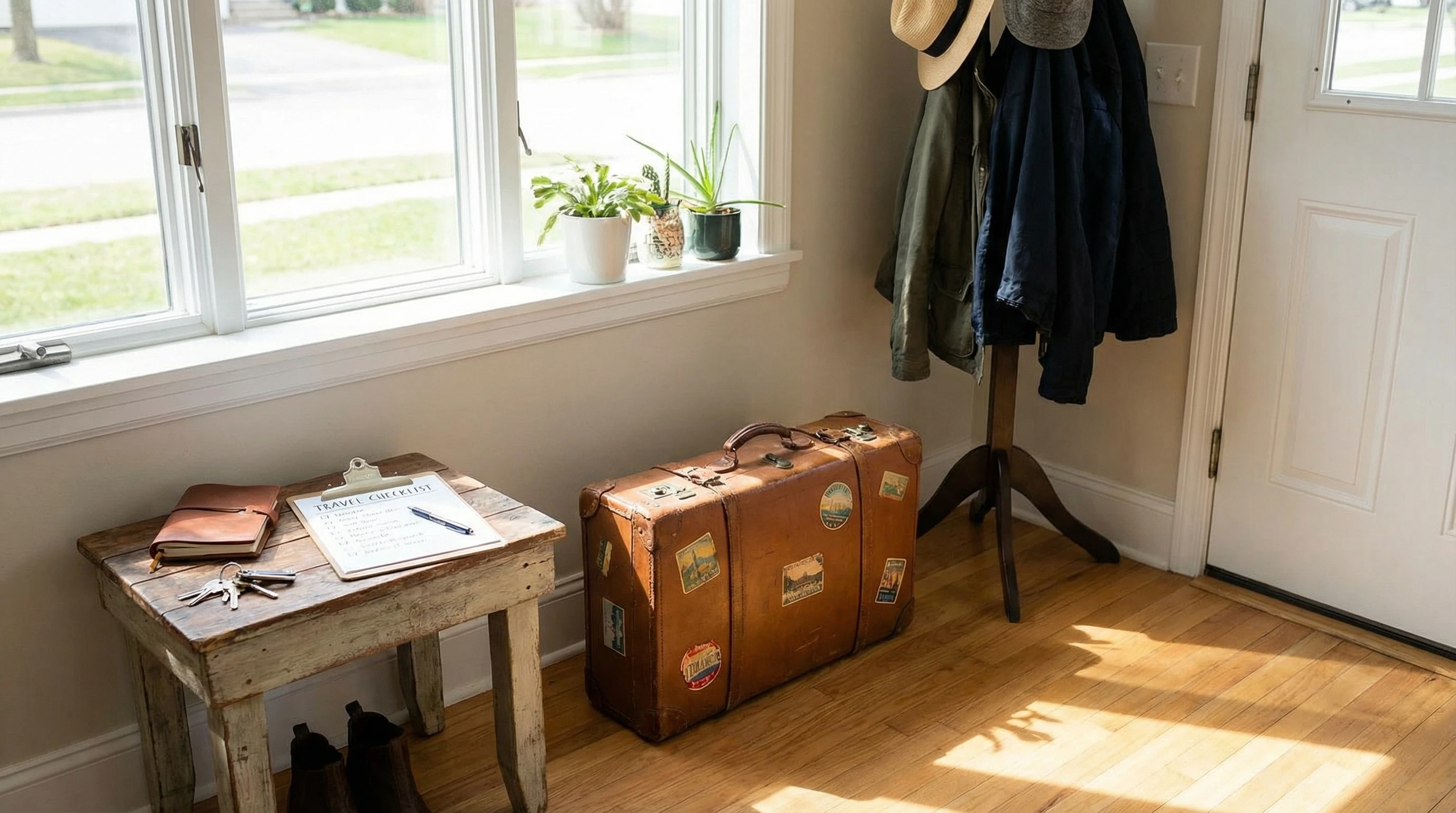
Travel gear and checklist on a table

Why Pre-travel Safety Matters for Solo Travelers

Traveling alone means I’m depending on myself for pretty much everything. That’s exactly why a safety checklist is more than just a routine; it’s a way to make sure I’m not leaving things to chance. When I travel solo, I want to know that my home is secure, my key information is protected, and I’m set to handle travel hiccups.

Every year, thousands of travelers come home to find issues they could have prevented, from break-ins to water damage or missed bills. Setting aside thirty minutes or so before a trip to double-check things keeps my place and my plans running smoothly even when I’m halfway around the world. The peace of mind knowing I’ve locked down every detail helps me relax and fully enjoy my travel days, whether I’m trekking across a different country or just exploring a new city nearby. With the right prep, even solo adventures become less stressful.

Preparing Your Home Before You Leave

Locking up isn’t just about turning the key. I always try these steps to keep my place tidy and safe while I’m gone:

  • Secure All Entry Points: This includes doors, windows, and even pet doors. I double-check that everything’s locked, and sometimes I add a security bar or extra lock on sliding doors.
  • Set Timers for Lights: Using smart plugs or simple timers tricks people outside into thinking someone’s home. I set mine to switch on around dusk and switch off at bedtime.
  • Adjust Thermostat and Appliances: I set my thermostat a bit higher in summer and lower in winter to save energy. Unplugging smaller appliances helps protect against electrical surges.
  • Pause Deliveries: Skipping mail and package deliveries stops things from piling up at the door, which could tip off that my place is empty.
  • Empty Trash and Clean Out the Fridge: Old food can create nasty smells and attract pests. I always clear out perishables before I go. (A friend of mine’s electricity went out in his freezer and he came home to the smell of rotten meats.)
  • Hide Valuables: Even if you trust your neighborhood, stashing valuables out of plain sight or locking them in a closet can help keep things secure while you’re away.

For longer trips, asking a trusted friend or family member to swing by once or twice can be helpful, too. They can water plants, check for mail, or just give your place a lived-in look. Small details like these keep your home protected and your mind at ease.

Digital & Information Safety Prep

Protecting my digital life deserves a spot on my checklist, too. Here’s how I keep my information safe while out and about:

  • Back Up Important Documents: I store digital copies of my passport, tickets, insurance, and emergency contacts in a secure cloud drive. That way, I’ve got access even if something goes missing.
  • Update Emergency Contact Information: I make sure friends or family know how to reach me, and I provide a copy of my itinerary, if possible.
  • Enable Device Tracking: Losing my phone far from home is a headache. Turning on location tracking, like Apple’s “Find My” or Google’s “Find My Device,” can help me recover lost items.
  • Password Protection: I double-check that all my key accounts—banking, email, social apps—have strong and unique passwords. Using two-factor authentication gives an extra layer of security.
  • Shred Sensitive Paperwork: I never leave bank statements, credit card offers, or anything with personal information visible. It’s safer to store them away or shred what I don’t need.
  • Clear Saved Logins: Before leaving, I clear saved passwords and browser auto-fills from any device I might take with me to lower the chance of someone getting easy access to my accounts if it’s lost or stolen.

Using a virtual private network (VPN) when working on public WiFi at cafes or hotels also helps keep my personal information safe from prying eyes. With just a few extra tech precautions, I can keep my digital life locked down while on the go.

Health & Emergency Prep

Keeping myself safe is a lot about planning for what-ifs. Before solo trips, I double-check a few basics that make all the difference in an emergency:

  • Pack a Basic First Aid Kit: I toss in bandages, painkillers, and a few allergy meds just in case. Packing a few days’ extra of any daily medication is a lifesaver if plans get delayed.
  • Share My Travel Plans: Letting someone at home know where I’ll be staying, my main travel dates, and how to reach me is a habit I never skip.
  • Check Travel Insurance: I look over my policy and make sure it covers emergency medical care, cancellations, and personal belongings. Good insurance also helps cover things like lost luggage, which can really throw a wrench in plans. (It’s also helpful to keep an extra change of clothes in your carry-on in case your luggage does get lost.)
  • Check Local Emergency Numbers: Storing contact numbers for local emergency services and my country’s embassy is pretty handy if the unexpected happens.
  • Set Up Mobile Alerts: Signing up for travel safety updates from government websites (like travel.state.gov if you are in the United States) can keep me informed about local situations.
  • Make Copies of Prescriptions: I carry a printed list or phone photo of prescription medications in case I need to get refills or prove what I need to a local pharmacy or doctor. This small step is a lifesaver in many situations.

Having all this information handy can mean a quick fix instead of major stress if something goes sideways. These habits don’t take a lot of time, but they make solo travel feel way more secure.

Miscellaneous Solo Travel Safety Checks

A few extra steps make solo travel a whole lot smoother and safer.

  • Inform Neighbors or Building Manager: If I trust my neighbors, I let them know I’ll be away and ask them to keep an eye out.
  • Check Local Laws and Customs: Looking up rules about dress codes, behavior, or even medications helps me avoid problems while abroad.
  • Double-Check Tickets and Reservations: Confirming check-in times and bookings before I leave saves hassles when I arrive tired in a new place.
  • Portable Power: Keeping a small power bank for my phone helps when I can’t find an outlet.
  • Download Offline Maps: I make sure to have offline maps saved on my phone, which helps if signal or WiFi is spotty. Knowing how to get back to my accommodation is key in unfamiliar cities.

On top of all these tips, I also keep a small stash of local currency for emergencies and a backup credit or debit card hidden in a separate spot. The little extra prep gives me confidence, whether I’m backpacking through rugged landscapes or checking out city sights.

Frequently Asked Questions About Solo Travel Safety

Solo travel always brings up new questions. Over time, I’ve answered a few for myself and other travelers.

Q: Is it safer to plan my entire DIY trip, or book through travel groups?
A: Both options can work, but I usually mix each based on comfort and destination. For remote places or first-time visits, travel groups can make things easier. For city trips, planning on my own gives more flexibility. Doing some research into the area’s safety and reading traveler reviews can also inform the decision. Always trust your instincts on which method matches your comfort level.


Q: Should I get a home security system if I travel often?
A: It’s a good idea, especially for longer trips. Even WiFi cameras or smart doorbells I can check from my phone offer peace of mind. Some systems even alert you if there’s unexpected motion, so you can check in anytime.


Q: How do I keep my valuables safe at my accommodation?
A: If there’s no safe, I use a small travel lock or pack valuables in a portable lock box. Splitting up cash and cards into a couple of different spots also helps. It’s wise to avoid flashing valuables in public too; a crossbody bag or money belt is handy for days when you’re on the move.


Solo Travel Safety Checklist

I always like having a checklist to tick off before I head out. Here’s the one I use, broken down by topic so nothing gets missed:

  • Home Security
    • Lock all doors and windows
    • Set timers or smart lighting
    • Unplug nonessential appliances
    • Adjust thermostat settings
    • Arrange paused mail or deliveries
    • Empty trash and fridge
    • Hide or secure valuables out of sight
    • Ask a friend or neighbor to stop by
  • Digital Safety
    • Backup digital copies of documents
    • Set strong passwords and enable two-factor authentication
    • Clear browser and app data on shared devices
    • Enable device tracking/location features
    • Shred or secure sensitive paperwork
    • Use a VPN on public WiFi networks
  • Travel Health & Emergency
    • Pack a basic first aid kit
    • Bring extra prescription medication
    • Copy of insurance information
    • List of emergency contacts
    • Note local hospital and embassy contacts
    • Sign up for travel alerts/updates
    • Copies of prescriptions
    • Small stash of local currency
  • Miscellaneous
    • Let neighbors/building manager know you’re away
    • Check tickets, passports, and reservations
    • Research local laws and cultural norms
    • Carry a portable power bank for devices
    • Download offline maps
    • Bring a backup debit/credit card

checklist

Keeping this checklist handy before every solo trip keeps me organized and gives me the calm to really focus on the adventure ahead. Solo travel always comes with a little extra responsibility, but with the right prep, it’s an amazing way to see the world on my own terms. So next time you’re ready to set out on your own, run through this routine and enjoy the ride knowing you’ve got everything covered.

Have a I forgotten anything on this checklist? Do you have any suggestions that I should add?

City Vs. Nature: Where Should You Travel Solo?

Solo travel offers something pretty special: the chance to explore wherever you want, eat whatever you crave, and truly do things at your own pace. But deciding whether to head for the city or get into nature can leave even seasoned travelers scratching their heads. Through years of exploring both buzzing cities and remote wild spots on my own, I’ve noticed both have their own perks and challenges. Here’s my take on how to pick between the city and nature for your next solo trip.

A scenic split image of a modern cityscape beside a lush forest landscape, viewed from above with no people.

The Basics: What To Expect Solo in the City vs. Nature

City trips are packed with energy, endless things to do, and plenty of spots to eat and stay. You’ll never really run out of options, and public transportation makes exploring super convenient. Nature trips, on the other hand, usually mean fewer people, slower days, and a whole lot of peace and quiet. There’s a lot of freedom to set your own pace, but you might have to do a bit more planning when it comes to food, safety, and getting around.

I’ve noticed that solo time in the city often feels energetic and stimulating, while solo time in the wild makes me feel recharged and clear-headed. Both options can lead to amazing memories. It really depends on what you’re after.

Key Considerations When Picking Your Solo Travel Destination

Your personality and preferences play a big role here, but there are a few points that come up for almost everyone. Here’s what I always keep in mind:

  • Safety: Cities may have busy crowds and some areas that are best avoided late at night, but help is usually easy to find. In nature, personal safety often means managing weather, animals, and health emergencies; sometimes on your own.
  • Accessibility: Urban spots are built for convenience, with transport, restaurants, and WiFi everywhere. Nature destinations can mean remote parks, tricky trails, and patchy phone signals.
  • Budget: Cities might have more choices for cheap eats, free museums, or hostels, while nature trips usually need some gear and transport, but basic camping can also offer some of the lowest-cost options.
  • Interests: Art, music, nightlife, food tours – those are city specialties. Hiking, kayaking, stargazing, bird watching – nature’s got these covered.

Solo City Travel: Pros and Things to Watch For

Exploring a city by yourself comes with a bunch of advantages. First off, you can blend into the crowd and go unnoticed, which I find can make me feel both safe and independent. There are always people around, lots of public spaces to chill out in, and plenty of things to see, even if you decide to mix it up and switch up your plans last-minute.

  • Diverse Activities: Museums, quirky stores, concerts, and all kinds of restaurants are pretty much everywhere. You can fill your days with anything from art to architecture to food adventures.
  • Ease of Public Transport: Most big cities have buses, subways, or trams that make getting around simple, even if you aren’t a planner. Or you could always take an Uber or Lyft.
  • Opportunities to Meet People: Want to chat? Cafes, hostels, walking tours, and events make it easy to strike up a conversation or find a buddy for a few hours.

There are a couple of downsides though. Big crowds can sometimes feel overwhelming, and popular tourist cities might feel rushed. Things can also get expensive fast, especially if you’re tempted by daily restaurants and attractions. If you’re not used to finding your way in new cities, the first day or two can be stressful, but it gets easier with a little practice and a trusty map app.

What Makes Nature Escapes Special for Solo Travelers

Heading solo into nature is a completely different feeling. I find myself tuning into the sounds and atmosphere, usually with less distraction. Nature also gives more chances to challenge myself, whether it’s a long hike, a cold swim, or making a campfire. Here’s what makes nature trips worth a thought:

  • Quiet and Space: It’s rare to get a true sense of solitude these days. Wilderness spots bring real peace and space to reflect, recharge, or just zone out on a beautiful view.
  • Pace and Independence: You set your own routine – wake up with the sun, linger by a waterfall, or stay out stargazing with zero pressure or schedules.
  • Skills and Confidence: Figuring out how to pitch a tent solo or find your way on a trail boosts problem-solving and builds real self-trust. Nature tends to gently force solo travelers to become a bit more resourceful.

Of course, nature trips mean more planning: packing gear, bringing enough food and water, and researching maps or weather. While being alone in the wild feels freeing, it can also carry risks. There’s not always a restaurant or pharmacy nearby, and little things like forgetting a lighter or running out of daylight become a bigger deal than in the city.

Solo Travel: Practical Tips for Both City and Nature Adventures

I keep a handful of routines no matter where I’m headed, and these have come in handy for both kinds of solo trips:

  1. Do a Bit of Homework: For cities, it’s handy to check public transport schedules and read about neighborhoods. For nature, know the route, possible hazards, and emergency info.
  2. Pack Smart: Cities call for comfortable shoes and a secure bag for your valuables. Nature means thinking ahead about weather, gear, and basic safety like a first aid kit and an extra snack or two.
  3. Stay Connected: Download offline maps (for both streets and trails) and keep your phone charged. If you’re heading somewhere remote, let a friend know your plans and expected return time.
  4. Balance Alone Time and Social Time: In cities, I’ll sometimes join a free walking tour just to chat with people. In nature, saying hello at campsites or ranger stations can help you get tips and feel a bit more confident.
  5. Know Your Limits: There’s no pressure to see everything or do the “most daring” hike. Go at your own pace, and don’t be afraid to stick to comfortable choices, especially for your first solo go.

Challenges Solo Travelers Face in Cities and Nature

Every type of solo travel has a few common hurdles to manage. In cities, pick pocketing, getting lost, or simply feeling lonely in a big crowd pop up once in a while. I always keep emergency contacts saved in my phone and carry a small card with my details. Nature adventures often bring different worries: running into bad weather, encountering wildlife, or limited phone service. Carrying a basic first aid kit and having a backup plan helps for peace of mind; a lightweight whistle is always attached to my backpack.

On city trips, I watch my belongings on public transport, avoid flashing expensive stuff, and stay aware of my surroundings, especially at night. When outdoors, double-checking weather forecasts and packing extra water or warm layers saves headaches down the trail.

City or Nature: Which Fits Your Solo Travel Style?

Still unsure which is the right setting for your next solo trip? Here are a few prompts that usually guide my own choice:

  • Do you care more about peace and time for reflection, or do you love being surrounded by energy and culture?
  • Are you hoping to pick up practical skills and challenge yourself, or are you after convenience and variety?
  • Is meeting new people on your list, or does a quiet getaway sound more appealing?

Some trips land right in the middle. Think of mountain towns, city parks, or retreat centers. You may not have to fully pick a side; these hybrid locations offer a blend of city amenities and natural tranquility. They can be perfect for someone wanting to try a bit of everything while traveling solo.

Frequently Asked Questions (FAQ)

Is it safe to travel alone in cities or nature?
Most places are safe with common sense and some planning. Check current travel advisories, avoid risky areas, and keep emergency contacts handy. In nature, prepare for changing conditions and know your limits by checking the weather and packing smart.


How can I meet people if I want some social time?
In cities, sign up for events, food tours, or stay in a hostel. In nature, try guided hikes or strike up conversations at visitor centers or campsites. Local meetups and online platforms also make finding fellow travelers simpler these days.


Which is better for a solo first-timer: city or nature?
If you’re new to solo trips, cities tend to feel easier and have more support around. Nature trips are amazing but benefit from some basic travel and planning experience. Many beginners find success by starting in a smaller, easy-to-navigate city, or by joining a group hike before striking out completely on their own outdoors.


Picking Your Solo Destination: Final Thoughts

Whether you’re drawn to the bold lights of a city or the peaceful rhythm of the outdoors, solo travel is all about learning what suits you best. For me, mixing both options keeps things interesting, and every trip teaches me something new about myself. With some prep and realistic expectations, both city and nature trips can be super rewarding for solo travelers.

Remember, the best part of solo travel is making moments and memories that truly fit your style. Trust your gut, try new things, and enjoy the freedom that comes with setting your own course—no matter where you go!

How To Travel Alone As A Woman Over 40

Traveling alone as a woman over 40 can be both exciting and pretty freeing. Stumbling upon new places at your own pace, making your own schedule, and stepping out of your comfort zone can offer a confidence boost and open up a world of possibilities. Whether you’re exploring a hidden beach town or digging into the culture of a bustling city, setting off on your own at this stage of life brings its own perks. I’m sharing an all-in-one guide to help you feel safe, make the most of solo adventures, and have an amazing time on the road.

A serene view of a lush mountain path leading to a lake under vibrant skies, evoking peace and exploration

Why Travel Alone After 40?

Solo travel in your 40s (and beyond) hits differently compared to travel in your 20s. You probably know yourself better, have a little more financial freedom, and you aren’t chasing anyone else’s travel goals. Many women find this is the perfect time to tick destinations off their bucket lists or revisit places with fresh eyes. There’s freedom in choosing your own itinerary without needing to compromise. Plus, you’re likely to appreciate things more deeply, from a quiet local café to a slow morning walk through cobblestone streets.

Some women worry about the social side or safety, but plenty of solo female travelers in their 40s and up have said the opposite. This stage often brings more confidence, better boundaries, and a sense that small hassles just aren’t that big of a deal anymore.

Planning Your Trip: Key Things to Keep in Mind

Putting a little extra thought into planning helps things run smoother and keeps stress low. Here are a few points I always check off my list before heading out:

  • Choose Safe Destinations: Some countries or cities are more welcoming to solo women travelers. It’s worth checking travel advisories and recent traveler reviews before booking.
  • Book Your Accommodation Early: Having your first few nights locked in means you’ll have a guaranteed place to land, even if your flight gets delayed or you’re tired when you arrive.
  • Consider Your Budget: Being realistic about daily expenses, entrance fees, transport, and splurges makes for a less stressful trip. I find a mix of planning and flexibility works best.
  • Pack Light but Smart: Pack easy to carry luggage, comfortable shoes, and clothes that suit both the weather and any cultural norms where you’re headed.

Extra tip: Download a few handy travel apps (offline maps, public transit, and language guides). These have saved my skin more than once! Also, make a master checklist for all your important documents so nothing gets forgotten.

Safety Tips That Actually Work

Safety is always a top question for solo women, and age doesn’t change that. Over the years, I’ve collected a handful of super useful habits that make traveling much easier and keep me feeling secure. Here’s what’s worked well for me and plenty of other women:

  • Share Your Itinerary: Give family or friends a rough outline of your travels, plus copies of your passport and emergency contacts.
  • Trust Your Instincts: If something feels off, whether it’s a street, situation, or person, don’t second-guess yourself.
  • Blend In: Dressing like a local (or at least not standing out too much) and learning a few phrases in the local language goes a long way. It also helps avoid unwanted attention from scammers or overly pushy vendors.
  • Stay Connected: Get a local SIM card or international phone plan. That way, maps, rideshare apps, and messaging are always handy in case you need help.
  • Secure Your Valuables: Use a crossbody bag with zippers and consider a money belt for days in crowded areas or public transit.

I like to pick central, well reviewed hotels or guesthouses in lively neighborhoods. Usually, these spots feel safer, and walking home at night doesn’t feel sketchy. If possible, ask locals or the hotel staff about areas to avoid.

Solo Travel Strategies That Make Life Easier

There’s a real art to solo travel, and a lot of it comes down to finding a rhythm that feels right for you:

  1. Start with Shorter Trips: If solo travel is new territory, try a weekend away in a nearby city. This gives you a low pressure way to get comfortable.
  2. Stay Social (If You Want To): Joining walking tours, cooking classes, or meetup groups can help shake off loneliness and even lead to lasting friendships.
  3. Be Flexible: Leave space in your schedule for those spontaneous moments, such as a gallery you stumble across or an invitation to lunch from a local.
  4. Build in Downtime: One of the best things about solo travel is getting to pause when you want. Take a nap, read in a park, or enjoy a lazy breakfast without feeling rushed.
  5. Keep Notes or a Journal: Writing down thoughts, funny moments, and favorite meals turns into a pretty cool souvenir. It also helps if you plan to give recommendations later.

When you’re feeling bold, consider taking a class in something local—maybe dance, pottery, or even a short language course. You might surprise yourself and pick up a new hobby, not just memories.

Common Challenges and How to Tackle Them

A little preparation makes some typical hurdles way less intimidating:

  • Culture Shock: Customs, food, and behavior might differ from back home. A polite smile, curiosity, and a sense of humor help a lot here.
  • Language Barriers: Google Translate and learning a few local phrases open a lot of doors.
  • Loneliness: This pops up now and then. I usually break it up by booking a group day tour or hanging out at a cozy coffee shop.
  • Health Concerns: Pack your meds, keep up with regular prescriptions, and know where the nearest clinic or pharmacy is in the area.
  • Navigation Trouble: Saving offline maps and using premarked waypoints means you won’t get stuck or stressed if WiFi drops out.
  • Money Troubles: Always keep a backup credit card or some local cash tucked away just in case of ATM hiccups.

Culture Shock

Even as a seasoned traveler, some things catch me off guard. I remember being in a rural part of Italy and realizing everything really does close for hours in the afternoon. Instead of fighting it, I grabbed a gelato and enjoyed the quiet. Sometimes you just need to adapt and soak it all in. Give yourself time to settle, and soon what felt foreign will start feeling familiar.

Language Barriers

Not speaking the local language used to stress me out. Now, I make a game of learning basics, and fill in gaps with gestures, translation apps, or just a friendly attitude. Locals usually appreciate the effort, even if I sound silly. A smile and patience go a long way—don’t worry about being perfect.

Health and Medication

In my 40s, I’m way more aware of things like jet lag or what happens if I catch a bug. I keep a mini first aid kit, know the generic names for my meds, and always have travel insurance info handy. It also helps to know a few key medical terms in the local language, just in case.

Packing Tips for Women Over 40

Packing gets easier with experience, and a few simple strategies take the stress out of figuring out what to bring:

  • Go for Layered Outfits: Lightweight layers work for changing temps and make it easy to adapt from casual to a bit more dressed up.
  • Comfortable Footwear: A pair of sturdy shoes can be a gamechanger on a long walking tour or uneven surfaces.
  • Don’t Forget Tech and Chargers: eReaders, power banks, and universal adapters always end up being super useful.
  • Personal Care: I pack my favorite skincare (in travel sizes) and a small emergency kit with what I know works for me.
  • Pack Extra Essentials: Include items that are hard to find abroad, like certain prescriptions or preferred vitamins, and sunscreens that suit your skin.

Frequently Asked Questions

Some questions I hear a lot from women thinking about traveling alone after 40:

Q: What if I feel lonely?
A: Everyone feels lonely at times, but picking social lodging, joining group tours, or spending time at local cafés can make a big difference. Solo time also lets you tap into hobbies or interests you might not get to at home. Don’t hesitate to reach out to fellow travelers or locals—you might make amazing connections.


Q: Is it safe for women over 40 to travel alone?
A: With some planning and common sense safety tips, solo travel is very doable. Picking the right destination, staying connected, and trusting your instincts help you stay safe. Remember, millions of women successfully take solo trips every year.


Q: How do I deal with friends or family worrying?
A: Keeping in touch regularly, sharing photos, and updating your travel plans can help put loved ones at ease. Remind them that careful planning is part of your routine, and encourage them to check in with you as you travel. Communication is key.


Final Thoughts for Your Solo Travel Adventure

Traveling alone as a woman over 40 is about enjoying your freedom, moving at your own speed, and soaking up every new experience. You’ll probably surprise yourself with how capable and savvy you really are. Whether it’s wandering busy city markets, hiking a quiet path, or trying a new dish you can’t even pronounce, every step brings new confidence and purpose.

The world is full of places that are welcoming and kind to solo women. Starting with thoughtful planning and a spirit of curiosity, your next big adventure might just become your favorite yet. Now is the perfect time to take up a notch your travel dreams—get out there, and let your next ride begin!

A Quick Guide To Getting Started With Solo Travel

If you’re a woman over 40 who’s curious about solo travel, you’re in great company. Plenty of women in their 40s, 50s, and beyond are out here exploring the world on their own terms these days. Starting late isn’t really “late”. Life experience actually gives you a head start. Confidence, independence, and a good sense of what you want from your travels all come in handy. Whether you dream of hiking mountain trails, wandering through small towns in Europe, or road tripping across the U.S., solo travel after 40 can be empowering and fun.

A scenic mountain landscape with a clear blue lake and wildflowers in the foreground. This view conveys tranquility, adventure, and the spirit of exploration.

Why Solo Travel After 40 Feels Different (And Awesome)

Heading out solo at this point in life just feels different than it might’ve in your 20s. There’s a sense of freedom that comes with choosing your own rhythm and not worrying about keeping up with anyone else’s schedule. A lot of women I’ve chatted with mention how rewarding it is to have the flexibility to plan your days around things you truly care about, whether that means sleeping in, lingering at a cafe, or taking impromptu detours. Plus, you have the life experience to handle the unknowns that come up in travel. All those years making things work at home or in your career are suddenly super useful on the road!

So many women over 40 say they wish they’d tried solo travel sooner, but also that there’s a real confidence that kicks in as you get older. When you realize you can handle whatever comes your way, like language mix-ups, new places, or changing course, travel becomes a lot more exciting. Each new place visited only adds to your toolkit and makes you realize how capable you really are.

You may also notice you pay attention to different things now, appreciating details you may have raced past before. There’s a real gift in slowing down, adjusting plans when needed, and savoring your own company—even while sampling something new or slightly outside your normal comfort zone.

First Steps For Getting Started With Solo Travel

Kicking off your solo travel adventure isn’t about a huge leap. Sometimes, it helps to start small so you can ease into new routines and build up your confidence. Here are a few easy ways to dip your toes in:

  • Start close to home: Try a solo weekend trip to a city a few hours away. You’ll get all the travel feels without having to go too far or deal with jet lag.
  • Book a group tour: If you’re nervous about being totally solo, joining a guided group trip gives you structure and instant travel buddies, but still leaves you with room to branch out on your own.
  • Try solo day excursions: Even taking yourself out for a day hike or to a nearby festival can help build skills for solo travel and show you how fun it is to be your own guide.

Traveling alone can feel intimidating, especially if it’s your first time venturing out solo. Taking baby steps and celebrating every win along the way helps build up to bigger, farther adventures. Don’t be afraid to treat local experiences as dry runs for longer trips—any bit of practice helps build confidence!

Travel Safety: Building Your Comfort Zone

Safety questions come up all the time, especially for women solo travelers. I always try to remind myself (and others) that travel isn’t about avoiding fear; it’s about building up your toolkit so you can approach challenges smartly. Here are some of the best safety habits I’ve picked up:

  • Be aware, not anxious: I check reviews about neighborhoods and hotels so I start out a little more informed. Websites like Solo Traveler and JourneyWoman have super useful tips for women going it alone.
  • Trust your instincts: It sounds basic, but gut feelings matter. If a situation feels off, whether it’s a person, place, or route, I don’t second-guess myself. I just change course.
  • Stay connected: I make it a point to share my itinerary with a friend or family member and check in regularly. Free apps like WhatsApp or Find My Friends are handy for this.
  • Blend in with locals: I dress modestly by local standards, keep my valuables low key, and try not to look lost even when I am. Looking confident (even if you’re faking it) helps a lot.

Confidence comes from experience, so every trip builds on those skills. It’s really important to travel the way you feel most comfortable, and everyone’s comfort zone looks a little bit different. Remember, it’s always okay to tone down your itinerary or skip activities if they don’t feel right. Staying sharp doesn’t mean giving up fun—it means taking good care of yourself along the way.

Planning Your First Solo Adventure

Picking a destination is honestly one of the most exciting steps, but it’s where a lot of overthinking happens. Here’s how I broke it down for myself:

  • Consider your travel style: Are you looking to chill on a beach, sight see around cities, or get off the beaten path? Narrowing down what feels fun for you helps a ton.
  • Research solo friendly spots: Countries like Portugal, Japan, and New Zealand, as well as U.S. cities like Portland, Austin, or Charleston, tend to be welcoming, with easy navigation and lots to see. Reading blogs by women who’ve been there helps paint a real world picture.
  • Check for female friendly lodging: Some hotels and hostels are tailored for solo female travelers or have women only dorms or floors. I found this super comforting, especially in big cities or late arrivals. (Just as a note, I’ve never stayed at a hostel. I prefer hotels.)
  • Look for community: Apps like Meetup or Facebook groups for women travelers can help you connect with others, share tips, or even find short term companions when you want a little company.

Having a loose plan helps you feel on track, but part of the fun in solo travel is giving yourself permission to change things up as you go. Small flexibilities make the experience more fun, and often lead to the best discoveries. Don’t forget to check local calendars for events, markets, and special festivals—these can add an unexpected bright spot to any trip!

Busting Common Solo Travel Worries (And Why Age is Actually an Advantage)

I’ve definitely gotten questions like, “Don’t you feel lonely?” or “Isn’t solo travel harder as you get older?” Actually, I meet more people when I travel solo than on group trips. Locals and fellow travelers are much more likely to start conversations when you’re alone, and in my 40s, I feel comfortable choosing when to be social or enjoy some alone time without feeling awkward.

As for the age part, being over 40 brings perks. You tend to notice more, appreciate things you might have rushed past in your 20s, and are less worried about doing things “the right way.” You get to set your own pace, adjust plans as you want, and try new things because you choose to, not because of peer pressure.

Travel insurance and planning ahead might feel more necessary now than they did when you were younger, but all of that adds up to peace of mind so you can really relax and enjoy your trip. Plus, with age comes a better sense of when to rest and when to push your limits. This helps you make the most of your energy day to day and keeps your adventure enjoyable from start to finish.

Smart Packing Tips for Women Over 40 Traveling Solo

Packing light makes everything easier, especially when you’re the only one carrying your bags. I like to follow a few simple packing habits that have saved me tons of stress:

  • Opt for layers: Lightweight layers work better than bulky sweaters, especially if you’re moving between climates or want to pack carry on only.
  • Comfortable shoes are nonnegotiable: Your feet will thank you after a day exploring cities or nature spots.
  • Bring a few “feel good” pieces: Throw in an outfit or accessory that makes you feel confident, whether it’s a nice scarf or your favorite pair of earrings.
  • Medication and personal items: Bring a few extra days’ worth, just in case, and keep these in your carry on.
  • Essential gadgets: Power bank, travel adapter, mini first aid kit, and a good book or Kindle round out my list. (I’m old school so I like to hold a book but Kindle can be an advantage because you can take several books with you and not have to worry about all the extra weight of the physical books.)

Everyone’s packing list will look a bit different, but keeping things simple is really freeing. When in doubt, pack for versatility and pick items you can mix and match. You’ll thank yourself when you’re not lugging heavy bags through train stations or up a flight of stairs!

Frequently Asked Questions: Quick Answers For Common Concerns

What are the best destinations for first-time solo female travelers over 40?
Places like Portugal, Denmark, Canada, or New Zealand are popular. In the U.S., cities with lots of culture and walk ability, like Santa Fe or Savannah, can be great entry points. I’ve found many major U.S. cities to be just fine. Just research the city and any areas to avoid in advance.


How do I handle eating out alone?
Pick places with counter seating or outdoor tables. Bringing a book or journaling makes solo meals less awkward, and honestly, no one is paying much attention. It’s usually all in my head.


What if I get homesick?
Plan regular check ins with friends or family, and keep some of your routines (morning coffee, or tea in my case, a nightly phone call) even while traveling. Two or three days in, most people start feeling more at home wherever they are.


How do I make friends on the road?
Say yes to group tours, cooking classes, or walking tours. They’re low pressure and attract like minded folks.


What if I don’t speak the language?
Learning greetings and basic phrases helps a lot. Apps like Google Translate can rescue you in a pinch. People usually appreciate the effort, and many places have English menus or signage, although you will start picking up words and phrases quickly. Smiling and body language go a long way, too!


Should I worry about age gaps on tours or at hostels?
Not at all! Many women in their 40s, 50s, and older are solo traveling. Age diversity often makes the conversations and friendships even more interesting. Pick accommodations or tours geared toward your interests and you’ll find your crowd.


Final Thoughts: Why Now’s The Perfect Time

Solo travel as a woman over 40 opens up a whole new way to see the world and yourself. Tackling new cities, exploring the quiet countryside, or finding unexpected connections all add something special that’s hard to get any other way. Inspiration is everywhere, and the freedom to follow your curiosity is incredibly rewarding at this stage of life.

You’ve gathered plenty of wisdom and resilience so far, and those are exactly the things that make travel more fun and less stressful. It’s not about having it all figured out. It’s about showing up, getting curious, and making memories, one solo adventure at a time.

Solo Female Travel Over 40

More women over 40 are choosing to travel solo than ever before, marking a significant shift in travel trends. This demographic, often overlooked in the past, is now at the forefront, redefining what it means to explore the world on their terms. With careers established and personal commitments often evolving, these women are grabbing their passports and heading out on their own paths.

Statistics back up this trend with numbers showing a steady rise in solo female travelers over 40. Factors like greater financial independence and a desire for personal growth play major roles. This isn’t just about checking destinations off a bucket list; it’s about crafting experiences that are meaningful and transformative. (And not to forget, a little me time!)

Personal stories highlight the unique blend of maturity and curiosity that women their 40s bring to the table. Many feel it’s the perfect time to pursue long-held travel dreams. You hear narratives of women who embraced the open road, detailing how travel ignited a sense of vitality and discovery that connects deeper with the heart.

These journeys are often fueled by changing lifestyles and new opportunities. Careers are more flexible now, allowing for gaps in time where travel is possible—sometimes even part of the job. With children grown or other responsibilities changing, there’s a newfound freedom to explore without the constraints that might have been present a decade or so ago.

Navigating Challenges: Safety, Society, and Self-discovery

Safety isn’t just a checklist; it’s a lifestyle when you’re a solo traveler. For women over 40 exploring the world alone, it involves being prepared and tuned into your instincts. A few practical measures can set the mind at ease, like sharing travel itineraries with loved ones, investing in travel insurance, and staying connected through global phone plans or reliable internet.

Social expectations can sometimes feel like a wet blanket on adventurous spirits, but many women in their 40s and up are shrugging off those stereotypes. Traveling alone doesn’t mean you’re alone in life. It’s about making choices that align with personal freedom and joy, even if it doesn’t fit the traditional mold of what society might expect.

Confidence in solo travel often grows out of life experiences, and that’s something women over 40 have in spades. Navigating visas, local customs, or even just choosing a restaurant—these aren’t just tasks, they’re small victories that build empowerment and prove resilience every step of the way. Travel becomes a canvas for testing limits and discovering just what you’re capable of handling.

Journeys later in life can also be profound experiences of self-discovery. Through the ups and downs of solo travel, many find a renewal of spirit and clarity. These trips often lead to a deeper connection with self, opening the doors to reflect on personal beliefs, passions, and future goals without external noise.

Making friends on the road or finding community might seem daunting, but the world is full of friendly faces and warm welcomes. Engaging with locals can give insight and make the rich tapestry of travel even more meaningful. Plus, technology offers a safety net—there’s always a group or meetup somewhere close by, where connections with like-minded souls are almost guaranteed.

Practical Tips and Destinations for the Fearless Solo Traveler

Choosing the right destination can set the tone for your adventure. Cities like Lisbon and Kyoto, with their rich histories and vibrant cultures, are popular choices for women traveling solo in their 40s. But don’t just stick to the beaten path—smaller towns and rural areas can offer unexpected delights and deeper cultural immersion. Never underestimate areas around where you live. These can be great first places to get started in solo travel.

Traveling doesn’t need to break the bank. Budget-friendly options are everywhere if you know where to look. Consider traveling during off-peak seasons or staying in local guesthouses or bed and breakfasts for a truly local experience at half the cost of big hotels. Using apps to track flight deals and discounts is also a smart move for getting the best bang for your buck. If you are traveling for work, considering staying an extra night or two in the destination and doing your own thing.

Connecting with the local community adds layers to your travel story. Whether it’s through cooking classes, art workshops, or language exchanges, engaging directly with locals can provide unique insights that enrich your experience. Plus, it’s a great way to make new friends, gain a better understanding of the culture and learn a new skill that you may want to continue when you return home.

Building a network beforehand can make solo travel less daunting. Online communities and forums for female travelers are fantastic places to exchange tips and find out about group meet-ups or local guides who can give a true insider’s view of a new place. This support system enhances both safety and enjoyment throughout your travels.

Solo travel is an open invitation to explore without restrictions, and women over 40 are taking full advantage of this freedom. With practical planning and an open heart, the world becomes a place of endless possibilities for discovery, learning, and growth.female solo traveler