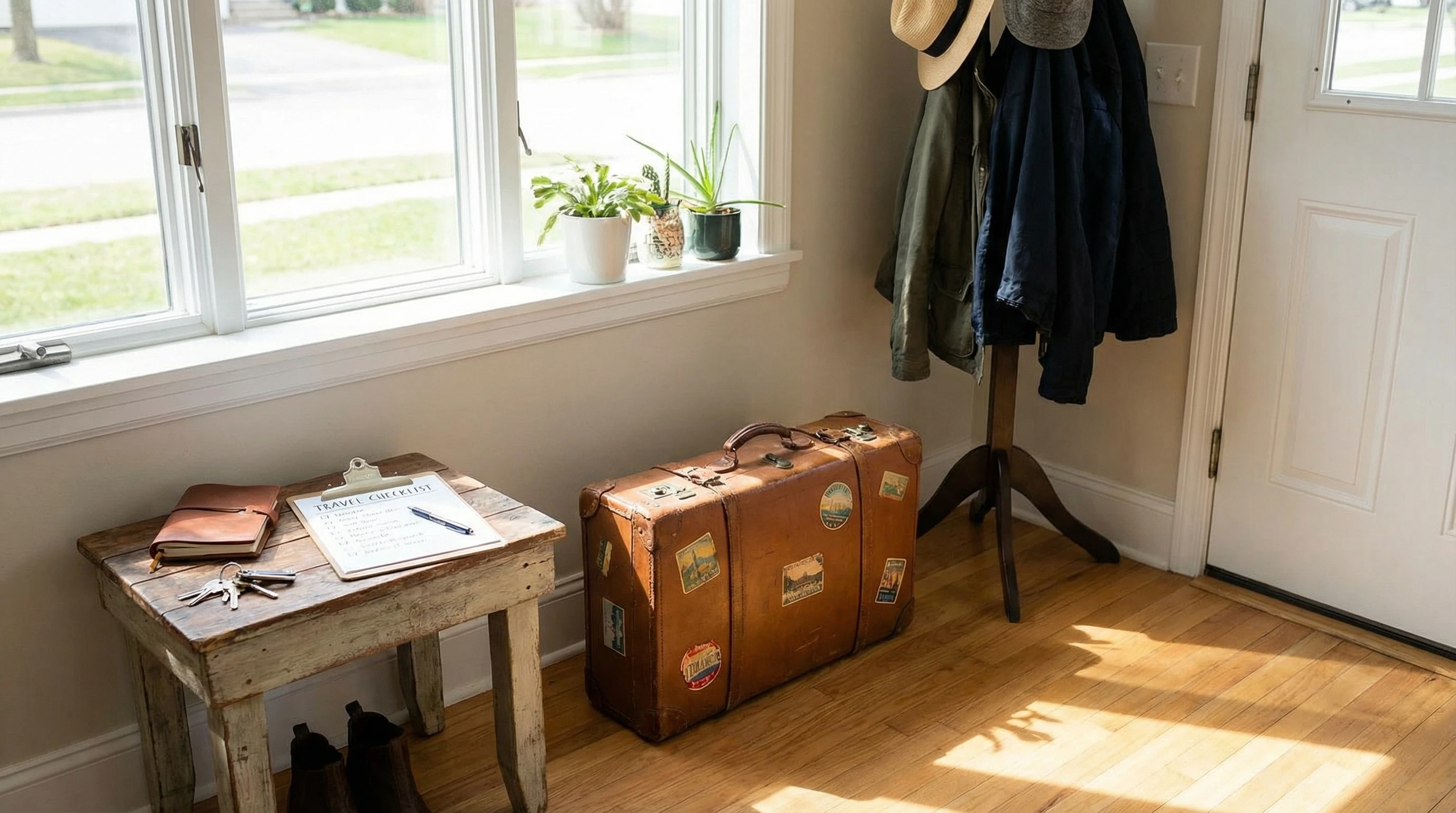
Heading out on a solo trip can be super rewarding and a little nerve-racking at the same time. Having a solid safety routine before locking up and heading out goes a long way in giving me that extra peace of mind. Over the years, ticking things off my pre-travel checklist has helped me avoid little surprises and focus on having fun.
Why Pre-travel Safety Matters for Solo Travelers
Traveling alone means I’m depending on myself for pretty much everything. That’s exactly why a safety checklist is more than just a routine; it’s a way to make sure I’m not leaving things to chance. When I travel solo, I want to know that my home is secure, my key information is protected, and I’m set to handle travel hiccups.
Every year, thousands of travelers come home to find issues they could have prevented, from break-ins to water damage or missed bills. Setting aside thirty minutes or so before a trip to double-check things keeps my place and my plans running smoothly even when I’m halfway around the world. The peace of mind knowing I’ve locked down every detail helps me relax and fully enjoy my travel days, whether I’m trekking across a different country or just exploring a new city nearby. With the right prep, even solo adventures become less stressful.
Preparing Your Home Before You Leave
Locking up isn’t just about turning the key. I always try these steps to keep my place tidy and safe while I’m gone:
- Secure All Entry Points: This includes doors, windows, and even pet doors. I double-check that everything’s locked, and sometimes I add a security bar or extra lock on sliding doors.
- Set Timers for Lights: Using smart plugs or simple timers tricks people outside into thinking someone’s home. I set mine to switch on around dusk and switch off at bedtime.
- Adjust Thermostat and Appliances: I set my thermostat a bit higher in summer and lower in winter to save energy. Unplugging smaller appliances helps protect against electrical surges.
- Pause Deliveries: Skipping mail and package deliveries stops things from piling up at the door, which could tip off that my place is empty.
- Empty Trash and Clean Out the Fridge: Old food can create nasty smells and attract pests. I always clear out perishables before I go. (A friend of mine’s electricity went out in his freezer and he came home to the smell of rotten meats.)
- Hide Valuables: Even if you trust your neighborhood, stashing valuables out of plain sight or locking them in a closet can help keep things secure while you’re away.
For longer trips, asking a trusted friend or family member to swing by once or twice can be helpful, too. They can water plants, check for mail, or just give your place a lived-in look. Small details like these keep your home protected and your mind at ease.
Digital & Information Safety Prep
Protecting my digital life deserves a spot on my checklist, too. Here’s how I keep my information safe while out and about:
- Back Up Important Documents: I store digital copies of my passport, tickets, insurance, and emergency contacts in a secure cloud drive. That way, I’ve got access even if something goes missing.
- Update Emergency Contact Information: I make sure friends or family know how to reach me, and I provide a copy of my itinerary, if possible.
- Enable Device Tracking: Losing my phone far from home is a headache. Turning on location tracking, like Apple’s “Find My” or Google’s “Find My Device,” can help me recover lost items.
- Password Protection: I double-check that all my key accounts—banking, email, social apps—have strong and unique passwords. Using two-factor authentication gives an extra layer of security.
- Shred Sensitive Paperwork: I never leave bank statements, credit card offers, or anything with personal information visible. It’s safer to store them away or shred what I don’t need.
- Clear Saved Logins: Before leaving, I clear saved passwords and browser auto-fills from any device I might take with me to lower the chance of someone getting easy access to my accounts if it’s lost or stolen.
Using a virtual private network (VPN) when working on public WiFi at cafes or hotels also helps keep my personal information safe from prying eyes. With just a few extra tech precautions, I can keep my digital life locked down while on the go.
Health & Emergency Prep
Keeping myself safe is a lot about planning for what-ifs. Before solo trips, I double-check a few basics that make all the difference in an emergency:
- Pack a Basic First Aid Kit: I toss in bandages, painkillers, and a few allergy meds just in case. Packing a few days’ extra of any daily medication is a lifesaver if plans get delayed.
- Share My Travel Plans: Letting someone at home know where I’ll be staying, my main travel dates, and how to reach me is a habit I never skip.
- Check Travel Insurance: I look over my policy and make sure it covers emergency medical care, cancellations, and personal belongings. Good insurance also helps cover things like lost luggage, which can really throw a wrench in plans. (It’s also helpful to keep an extra change of clothes in your carry-on in case your luggage does get lost.)
- Check Local Emergency Numbers: Storing contact numbers for local emergency services and my country’s embassy is pretty handy if the unexpected happens.
- Set Up Mobile Alerts: Signing up for travel safety updates from government websites (like travel.state.gov if you are in the United States) can keep me informed about local situations.
- Make Copies of Prescriptions: I carry a printed list or phone photo of prescription medications in case I need to get refills or prove what I need to a local pharmacy or doctor. This small step is a lifesaver in many situations.
Having all this information handy can mean a quick fix instead of major stress if something goes sideways. These habits don’t take a lot of time, but they make solo travel feel way more secure.
Miscellaneous Solo Travel Safety Checks
A few extra steps make solo travel a whole lot smoother and safer.
- Inform Neighbors or Building Manager: If I trust my neighbors, I let them know I’ll be away and ask them to keep an eye out.
- Check Local Laws and Customs: Looking up rules about dress codes, behavior, or even medications helps me avoid problems while abroad.
- Double-Check Tickets and Reservations: Confirming check-in times and bookings before I leave saves hassles when I arrive tired in a new place.
- Portable Power: Keeping a small power bank for my phone helps when I can’t find an outlet.
- Download Offline Maps: I make sure to have offline maps saved on my phone, which helps if signal or WiFi is spotty. Knowing how to get back to my accommodation is key in unfamiliar cities.
On top of all these tips, I also keep a small stash of local currency for emergencies and a backup credit or debit card hidden in a separate spot. The little extra prep gives me confidence, whether I’m backpacking through rugged landscapes or checking out city sights.
Frequently Asked Questions About Solo Travel Safety
Solo travel always brings up new questions. Over time, I’ve answered a few for myself and other travelers.
Q: Is it safer to plan my entire DIY trip, or book through travel groups?
A: Both options can work, but I usually mix each based on comfort and destination. For remote places or first-time visits, travel groups can make things easier. For city trips, planning on my own gives more flexibility. Doing some research into the area’s safety and reading traveler reviews can also inform the decision. Always trust your instincts on which method matches your comfort level.
Q: Should I get a home security system if I travel often?
A: It’s a good idea, especially for longer trips. Even WiFi cameras or smart doorbells I can check from my phone offer peace of mind. Some systems even alert you if there’s unexpected motion, so you can check in anytime.
Q: How do I keep my valuables safe at my accommodation?
A: If there’s no safe, I use a small travel lock or pack valuables in a portable lock box. Splitting up cash and cards into a couple of different spots also helps. It’s wise to avoid flashing valuables in public too; a crossbody bag or money belt is handy for days when you’re on the move.
Solo Travel Safety Checklist
I always like having a checklist to tick off before I head out. Here’s the one I use, broken down by topic so nothing gets missed:
- Home Security
-
- Lock all doors and windows
- Set timers or smart lighting
- Unplug nonessential appliances
- Adjust thermostat settings
- Arrange paused mail or deliveries
- Empty trash and fridge
- Hide or secure valuables out of sight
- Ask a friend or neighbor to stop by
- Digital Safety
-
- Backup digital copies of documents
- Set strong passwords and enable two-factor authentication
- Clear browser and app data on shared devices
- Enable device tracking/location features
- Shred or secure sensitive paperwork
- Use a VPN on public WiFi networks
- Travel Health & Emergency
-
- Pack a basic first aid kit
- Bring extra prescription medication
- Copy of insurance information
- List of emergency contacts
- Note local hospital and embassy contacts
- Sign up for travel alerts/updates
- Copies of prescriptions
- Small stash of local currency
- Miscellaneous
-
- Let neighbors/building manager know you’re away
- Check tickets, passports, and reservations
- Research local laws and cultural norms
- Carry a portable power bank for devices
- Download offline maps
- Bring a backup debit/credit card
Keeping this checklist handy before every solo trip keeps me organized and gives me the calm to really focus on the adventure ahead. Solo travel always comes with a little extra responsibility, but with the right prep, it’s an amazing way to see the world on my own terms. So next time you’re ready to set out on your own, run through this routine and enjoy the ride knowing you’ve got everything covered.
Have a I forgotten anything on this checklist? Do you have any suggestions that I should add?
I really liked how your safety checklist for solo travel prep feels comprehensive and thoughtful — it’s clear you’re looking out for your readers and helping them feel confident before they step out the door. One thing I’m curious about is what’s the one safety tip you wish every solo traveler knew before their first trip, based on your own experience? — that personal insight would definitely get more readers chiming in. Overall, it’s a super practical, empowering guide that makes prepping for solo adventures feel way less intimidating!
Thank you so much for your comment and question! I think if I had to pick a number one safety tip, it would be to be sure people you trust know your itinerary and be sure emergency contacts are handy. I also think researching a place and knowing what to expect by planning all trips in advance so you are more likely to avoid getting lost. I personally like to be back at my hotel no later than 9pm, but that isn’t true all the time. Sometimes I do like to see a music event and that gets me in later. So knowing how I’m getting home is super important. For things like this, I tend to not travel too far away from the hotel.