Traveling can be an adventure, but when you’re always on the move, staying hydrated and keeping your energy up turn out to be pretty important. I’ve found that some simple habits can make road trips, flights, or even city exploring feel way more comfortable, and a whole lot healthier too. Here’s my go-to guide for feeling refreshed and alert on any trip.
Why Hydration Matters On Your Travels
When you’re out and about, it’s easy to forget about drinking water, especially if you’re juggling transportation, sightseeing, or a busy schedule. Traveling can mean dry, recycled air and extra sweating from carrying bags or walking more than usual. This can leave you feeling tired, foggy, or even cranky. A lot of us don’t realize just how quickly dehydration can sneak up while traveling.
Getting enough water isn’t just about quenching your thirst. Hydration supports your energy, helps your mind stay sharp, and even keeps your skin from drying out. Research shows that even mild dehydration can start to affect how you think and move, and it can show up faster when you’re away from your regular routine. A bit of preparation pays off in the long run.
Getting Ahead: Pre-Trip Hydration
Starting a trip well hydrated pays off! I always drink extra water in the day or two before I travel, especially if I’m flying. Airport lines, delays, or long drives sometimes make it tough to find water when you want it. If you step onto your flight or hit the road already topped up on water, you’ll be less likely to feel wiped out by the trip.
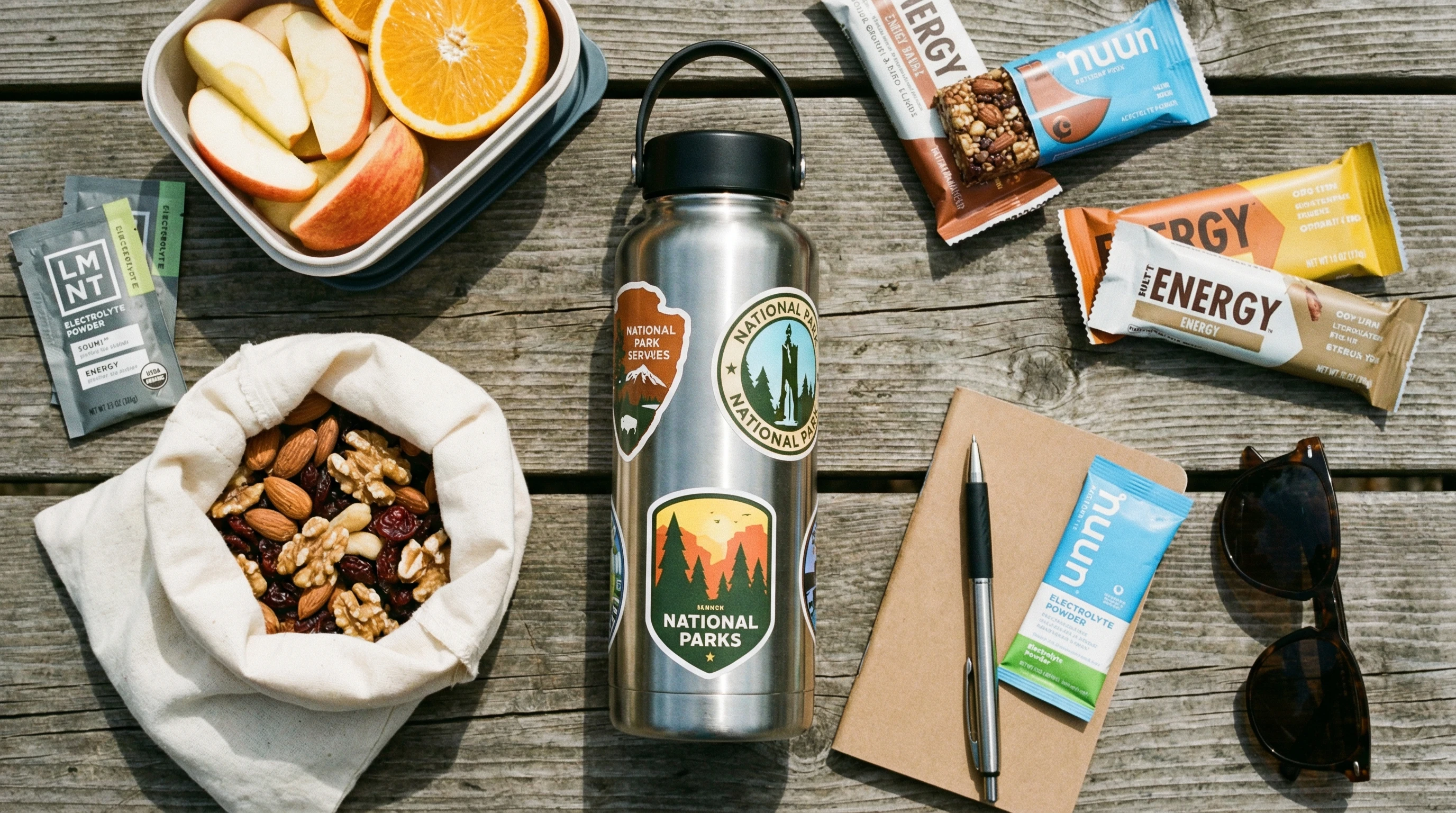
- Bring a reusable water bottle: Most airports now have refill stations past security. Keeping a bottle handy means you can sip whenever you feel thirsty.
- Cut down on salty foods before leaving: Salty meals or snacks can make your body hang onto water, making you feel sluggish later on.
- Get hydration from foods: Eating fruit like oranges, grapes, or watermelon packs a hydration bonus that plain snacks don’t offer.
Staying Hydrated While Actually Traveling
It isn’t always easy to keep up with your water intake on the move. I’ve noticed that small reminders help. Whether you’re hiking, sightseeing, or spending hours in transit, here are some tricks that will keep you in the game:
- Set a hydration reminder on your phone: Use an hourly alarm or app. It’s easy to ignore thirst when distracted by new sights or sounds.
- Flavor your water: Bringing a few herbal tea bags or a squeeze of lemon can make water tastier and encourage you to drink more.
- Don’t just rely on thirst: Sometimes, the feeling of thirst comes after your body already needs water. Sip regularly throughout the day instead of waiting until you’re very thirsty.
- Stick with water over sodas or alcohol: Both can cause dehydration, especially on planes and in hot climates.
What to Pack for Hydration and Energy
Having the right items in your bag can save you from feeling drained and cranky. I keep a small kit with me wherever I go. Here’s my personal hydration and energy toolkit:
- Reusable water bottle: Preferably insulated to keep drinks cool.
- Electrolyte powder or tablets: Handy for hot days, long hikes, or recovering from jet lag. They help your body retain water better than plain water if you’re sweating a lot.
- Snacks rich in water: Cucumbers, cherry tomatoes, and cut fruit travel better than you’d think (just pack in a small container).
- Healthy energy snacks: A mix of protein bars, nuts, and seeds keeps your energy up without spikes or crashes.
- Spare bag for fruit peels or snack wrappers: Keeps your bag mess-free.
Choosing The Right Drinks: Beyond Just Water
While plain water works for most situations, sometimes your body needs a little bit more, especially during really hot weather, after long stretches of activity, or during a long-haul flight. Drinks with added electrolytes (like sodium and potassium) can help replace what you lose with heavy sweating. Coconut water is a natural option loaded with electrolytes, but just watch out for added sugar in flavored brands. For example, if you visit Southeast Asia in the summer, coconut water can be a lifesaver after spending hours exploring outdoor markets.
Coffee or black tea can still be part of your day, but I try to keep them to moderate amounts and balance with plenty of water. If you do have a couple coffees to fight jet lag, chase each one with a glass of water to even things out. I personally prefer green tea in the mornings.
Common Hydration And Energy Mistakes Travelers Make
- Confusing hunger with thirst: Sometimes when you feel tired or cranky, it’s actually a sign you’re low on fluids, not just food. I take a drink first, wait ten minutes, and see if that’s what I really needed.
- Overloading on sugary drinks: Sweet beverages can seem refreshing at first, but they often leave you thirstier later. I stick to water for most of the day and save treat drinks for later.
- Ignoring fatigue and pushing through: If you find yourself dragging, take a break, sip water, and have a light snack. Your energy will thank you.
What Happens If You Don’t Hydrate?
Skipping water can make you feel sluggish, dizzy, or give you a headache. On longer trips, you might notice dry lips, irritability, or even mild confusion. Not a good combo for tackling new places or experiences. In the worst case, not drinking enough can put stress on your kidneys, make you more prone to muscle cramps, and raise your risk of heat exhaustion in hot weather. I try to pay attention to those little warning signs and act early.
Dehydration can sneak up when you least expect it, especially during packed travel days. That’s why I always plan for hydration just like I plan for sightseeing.
Tips For Staying Energized Without Relying On Caffeine
Coffee and energy drinks might sound tempting when you’re crossing time zones or running short on sleep. I keep them for emergencies and focus more on steady, natural ways to keep my energy up:
- Regular small snacks: Eating something every few hours helps your body avoid energy crashes. I go for trail mix, dried fruit, or a simple granola bar.
- Get some movement in: After sitting on a plane or bus, I stretch or take brief walks. Even just ten minutes makes a real difference.
- Power naps count: Ten to 20 minutes of rest, even just closing my eyes and listening to music, gives a better energy boost than chugging coffee in the long run.
- Stay cool: Hot, stuffy environments drain energy fast. I cool off with a cold drink, splash water on my wrists, or use a travel fan.
Sometimes I plan little breaks at a park bench or shady spot just to recharge without caffeine. You’d be surprised how a short pause can give your mind and body a real boost.
Travel Scenarios: Applying These Tips
- Flying: Airplane cabins are notoriously dry. I drink at least a small cup of water every hour (yes, even if this means more trips to the restroom), skip alcohol, and bring a hydrating snack like apple slices.
- Road trips: I keep my water bottle handy in the car door and stop at rest areas to stretch and refill. You can play the “who can finish their water first” game if your with friends or kids. Gas stations usually have fresh fruit cups or bottled smoothies for a hydration boost.
- Hiking or outdoor trips: For day hikes, make sure to bring your water bottle. Electrolyte packets help on hot or longer days. For multiday adventures, I make a hydration schedule. My goal is a few big gulps every half hour.
Each travel style asks for different tricks, but the goal remains the same: having water and energy snacks ready so you can focus on fun, not feeling rundown.
Frequently Asked Questions
How much water should I drink while traveling?
Most people do well with about two liters (around 8 cups) per day, but you might need more if you’re active or in hot spots.
Are sports drinks or electrolyte mixes really necessary?
They’re helpful if you’re sweating a lot (like on hikes, cycling, or desert sightseeing), but for normal days of city walking, water and maybe a piece of fruit usually do the trick.
Will I have trouble bringing my own water through airport security?
You’ll need to bring an empty bottle and fill it after security. Most airports now have bottle-fill fountains, and flight attendants are happy to top up your water if you ask.
What are the signs I’m getting dehydrated?
Feeling tired, having a dry mouth, or not needing to use the restroom for several hours are all hints to drink more. I watch out for headaches and feeling lightheaded, too.
Little Extras That Make a Big Difference
Small upgrades can make hydration and energy easier to manage. I like insulated bottles because they keep drinks cold for up to 24 hours, even in a hot car or summer hike. For long road trips, I toss in a cooler bag with pre-cut oranges and grapes. On city walks, I scout out shady spots or cafes to rest and recharge. Bringing your favorite tea bags can also give you a comforting, hydrating treat during flights or morning starts.
Whatever your travel style, staying ahead of dehydration makes every trip more fun, and you’ll end the day feeling fresher, not drained. Whether you’re exploring a new country or just taking a short road trip, keeping water handy and planning a few hydration breaks means you’ll get more out of the adventure and actually enjoy the ride!
Do you ever find it challenging to keep hydrated when traveling? If so, what are your tips?
Hello,
I travel quite extensively around the Texas hill country for my work.
Although I don’t leave the country, I am constantly on the go from one job to the next. I find citrus fruits to rbe excellent along with apple slices(sometimes dipped in caramel) bananas and plenty of water. The vitaminC promotes oxygen production and the water content helps in hydration.
Helps me maintain my energy levels during a long day.
Excellent info!
Thank you,
Paulette
Thank you for the tip!
Great reminders here, especially the part about dehydration sneaking up on you when you’re distracted by travel. I like how practical this is with real habits instead of just “drink more water.”
I’m curious: do you have a rule of thumb for how much to increase water intake when flying or in very hot climates compared to a normal day at home?
Thanks for your comments! Well, one thing I’ve learned is to get a aisle seat so I don’t have to disturb my neighbor to get up to use the restroom. In all seriousness, though, I try and drink 6 ounces for every two hours that I am in flight. I don’t know if anything is scientific in that, but it’s what I do.
When I was visiting Rome, Italy, I found myself drinking way more water than usual. Luckily, there are public water fountains all over the tourist areas with clean, crisp water and one can fill up their water bottle at no charge. I like to also find fruits like watermelon to eat when it is really hot.